Health Library / Women's health
PCOS and hormone testing in Lucknow: which tests, and when in your cycle
· 6 min read · Lucknow
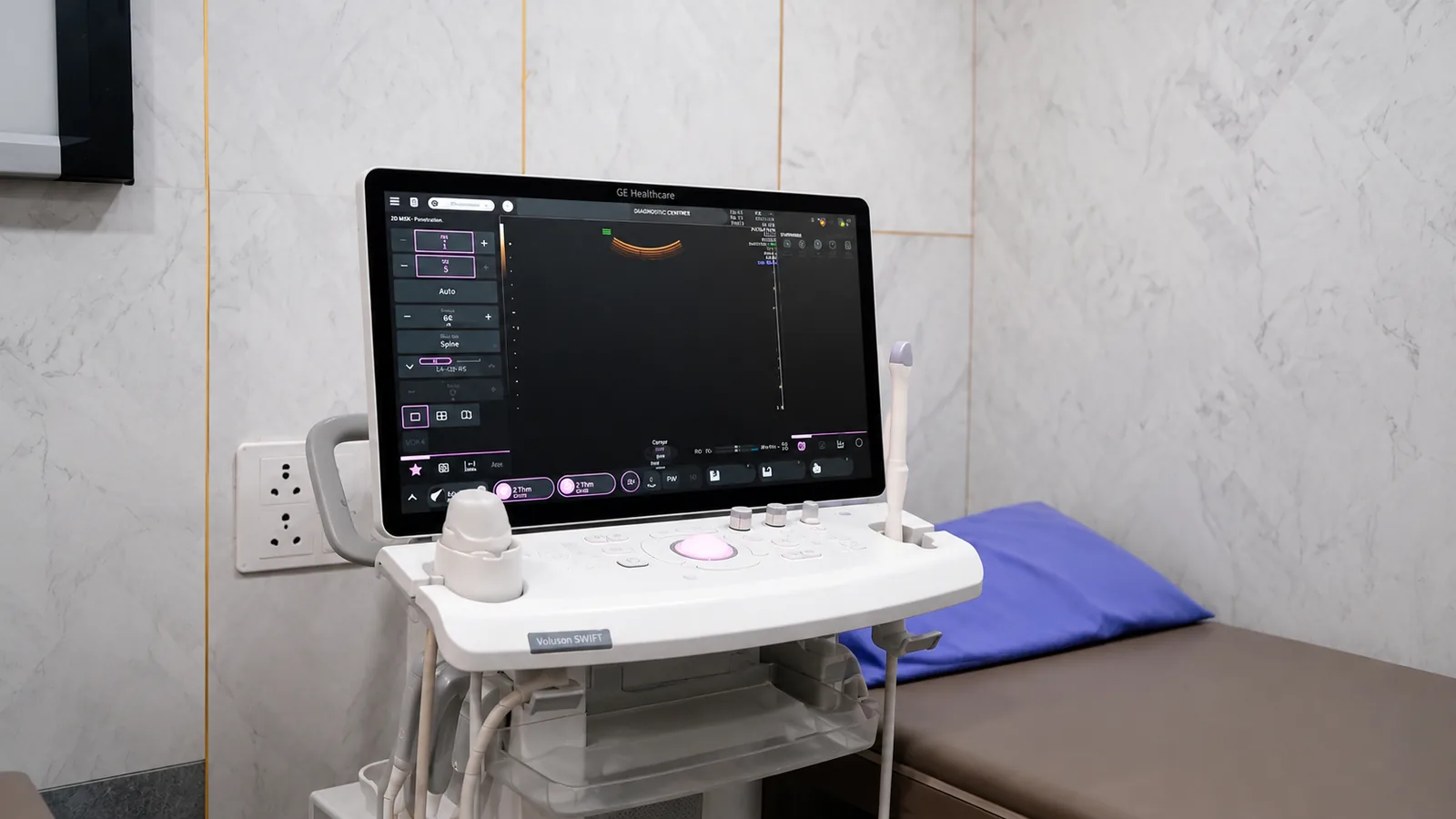
Polycystic ovary syndrome is one of the most common hormonal conditions in women of reproductive age, and one of the most commonly self-diagnosed from an ultrasound report. The scan alone does not make the diagnosis, which is worth knowing before anyone starts treatment on the strength of it.
Getting the testing right means knowing which hormones matter, and — the part most often got wrong — when in the cycle to measure them.
The tests, and the cycle day
Most reproductive hormones are measured in the early follicular phase, generally days two to five of the cycle counted from the first day of proper bleeding. Taken at a random point, the same hormones can look abnormal in a perfectly normal cycle, or normal in an abnormal one.
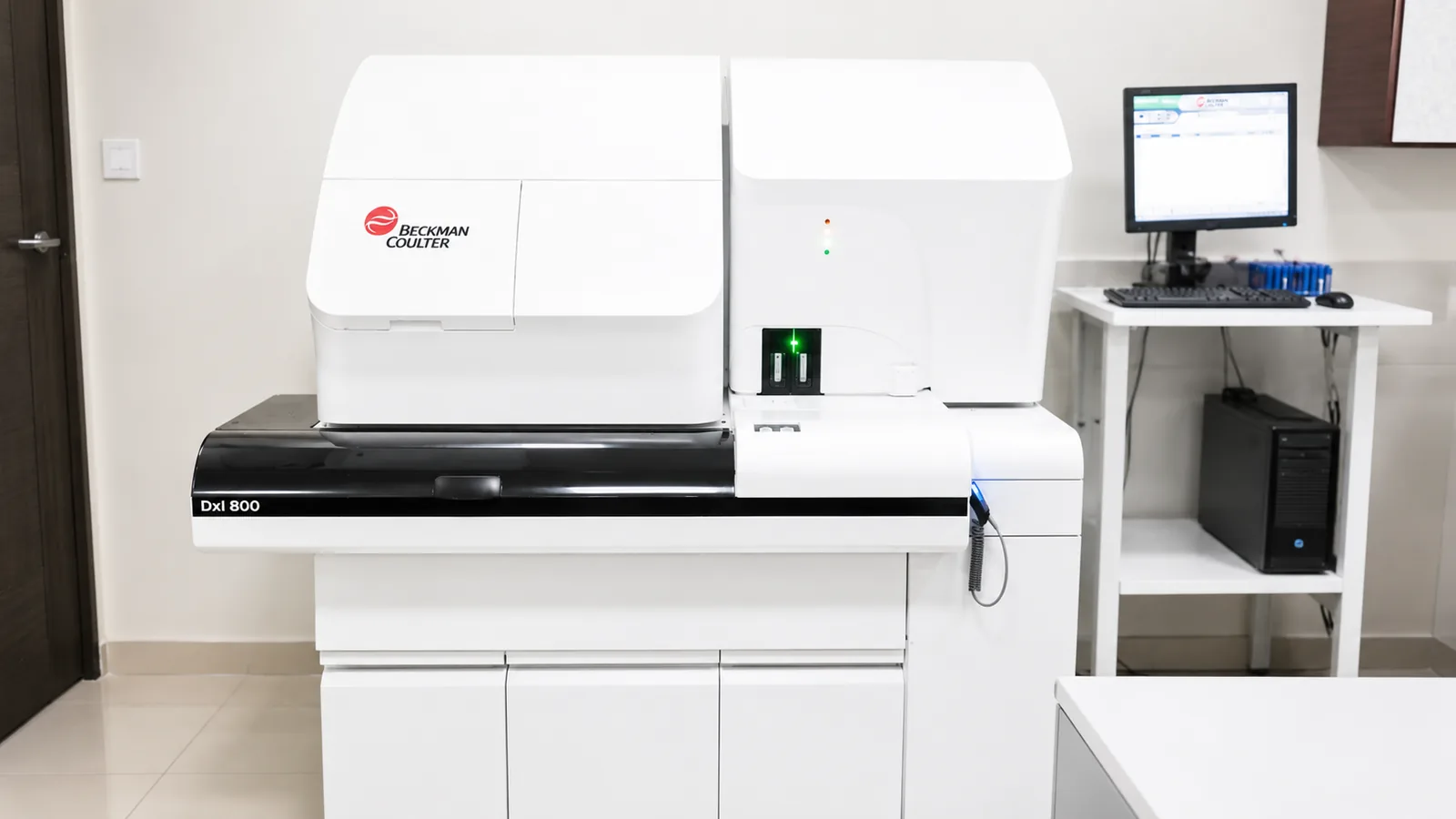
The usual panel includes LH and FSH, prolactin, TSH, and androgens including total testosterone and DHEAS. AMH is sometimes added as a marker of ovarian reserve. Thyroid disease and raised prolactin both cause irregular periods and must be excluded before PCOS is settled on — they are treatable causes that look similar from the outside.
- Days 2–5 of the cycle for LH, FSH, oestradiol and androgens
- TSH and prolactin, to exclude thyroid disease and hyperprolactinaemia
- Fasting for the metabolic part of the panel
- If periods are absent, your doctor will advise when to test rather than waiting indefinitely
Why the scan alone is not the diagnosis
Polycystic-appearing ovaries are found in a substantial proportion of women who do not have PCOS at all, and they are particularly common in younger women. The appearance is a finding, not a disease.
Diagnosis requires a combination — typically irregular or absent ovulation, clinical or biochemical evidence of excess androgens, and polycystic ovaries on ultrasound — with other causes excluded. Two of the three, broadly, rather than the scan by itself. That is a clinical judgement for your doctor, made across the whole picture.
The metabolic half people skip
PCOS is not only a reproductive condition. Insulin resistance sits underneath it in a large share of cases, and the associated risks — type 2 diabetes, high triglycerides, fatty liver, hypertension — are the part that matters over decades.
That makes fasting glucose, HbA1c, a lipid profile and liver function part of a proper PCOS workup, repeated periodically rather than once. Weight, diet and regular activity influence both halves of the condition genuinely and substantially, which is why they are first-line rather than an afterthought.
This article is general health information, not a diagnosis or a treatment plan. Test results are read alongside your symptoms and history — please discuss yours with your doctor. See our disclaimer.