
Microbiology & Culture Tests in Lucknow
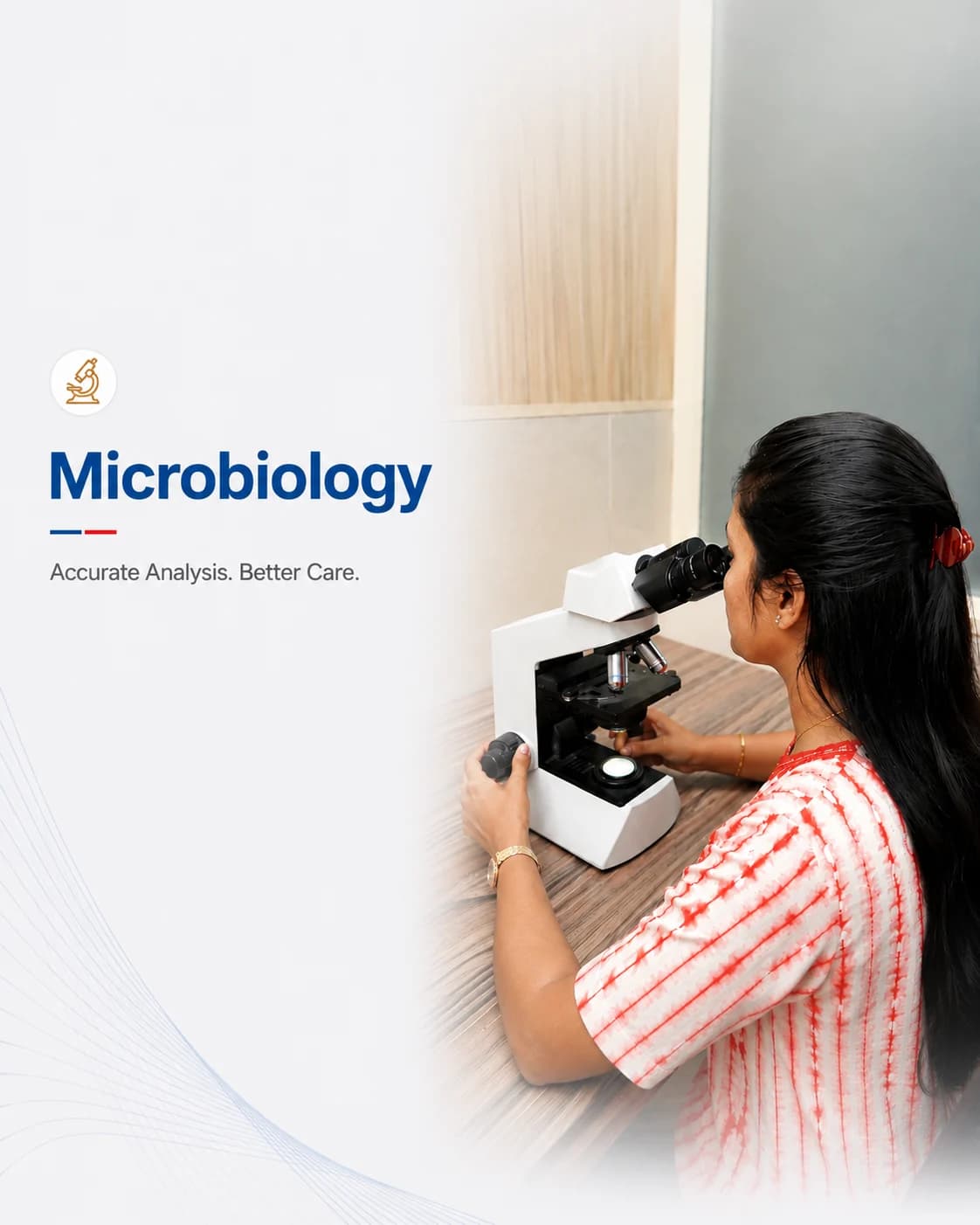
Finding the organism behind an infection — and the antibiotic that will treat it.
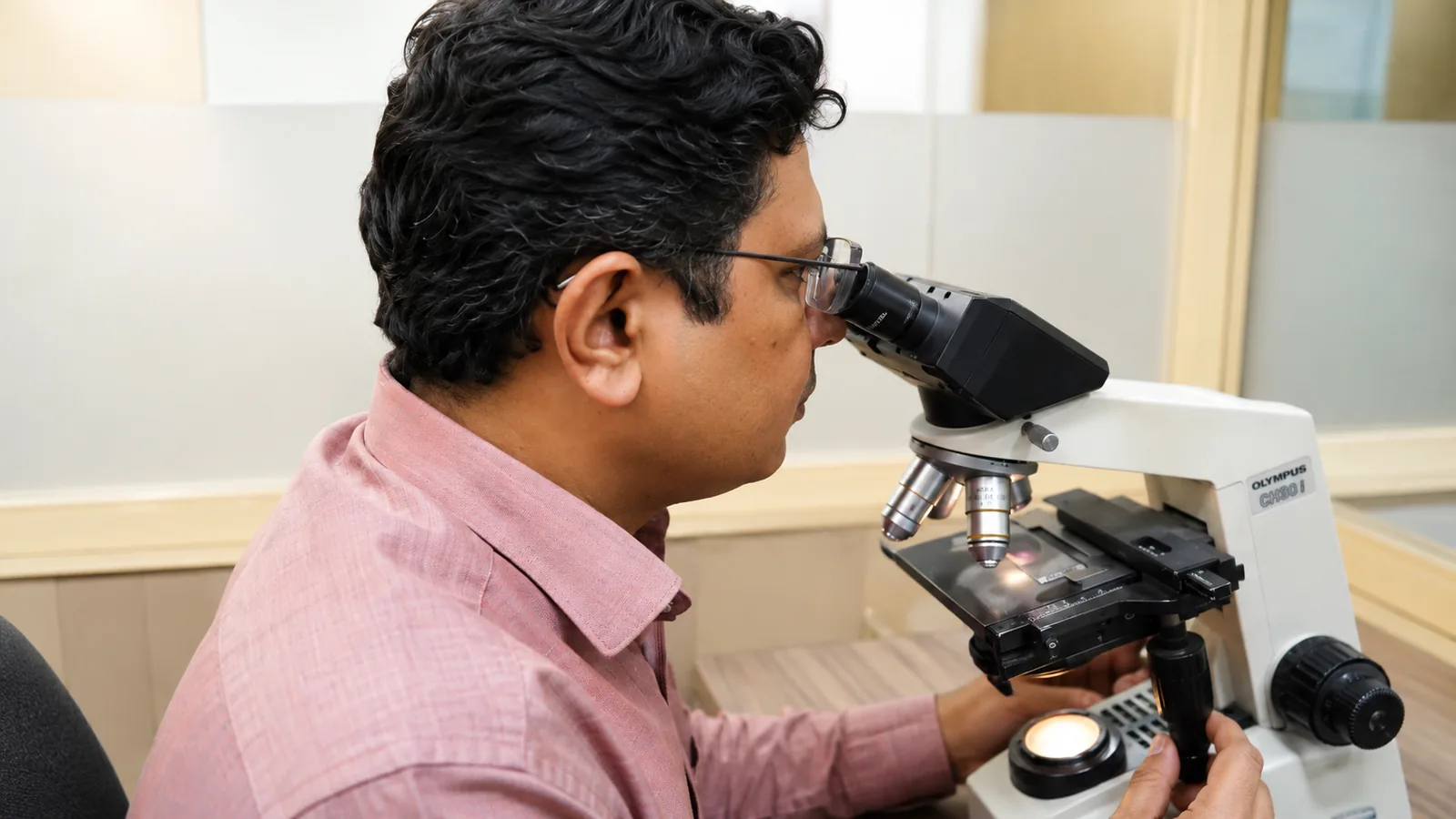
Microbiology identifies the bacteria, fungi or other organisms causing an infection, and — just as importantly — tests which antibiotics will actually kill them. A culture-and-sensitivity result is what turns guesswork into targeted treatment.
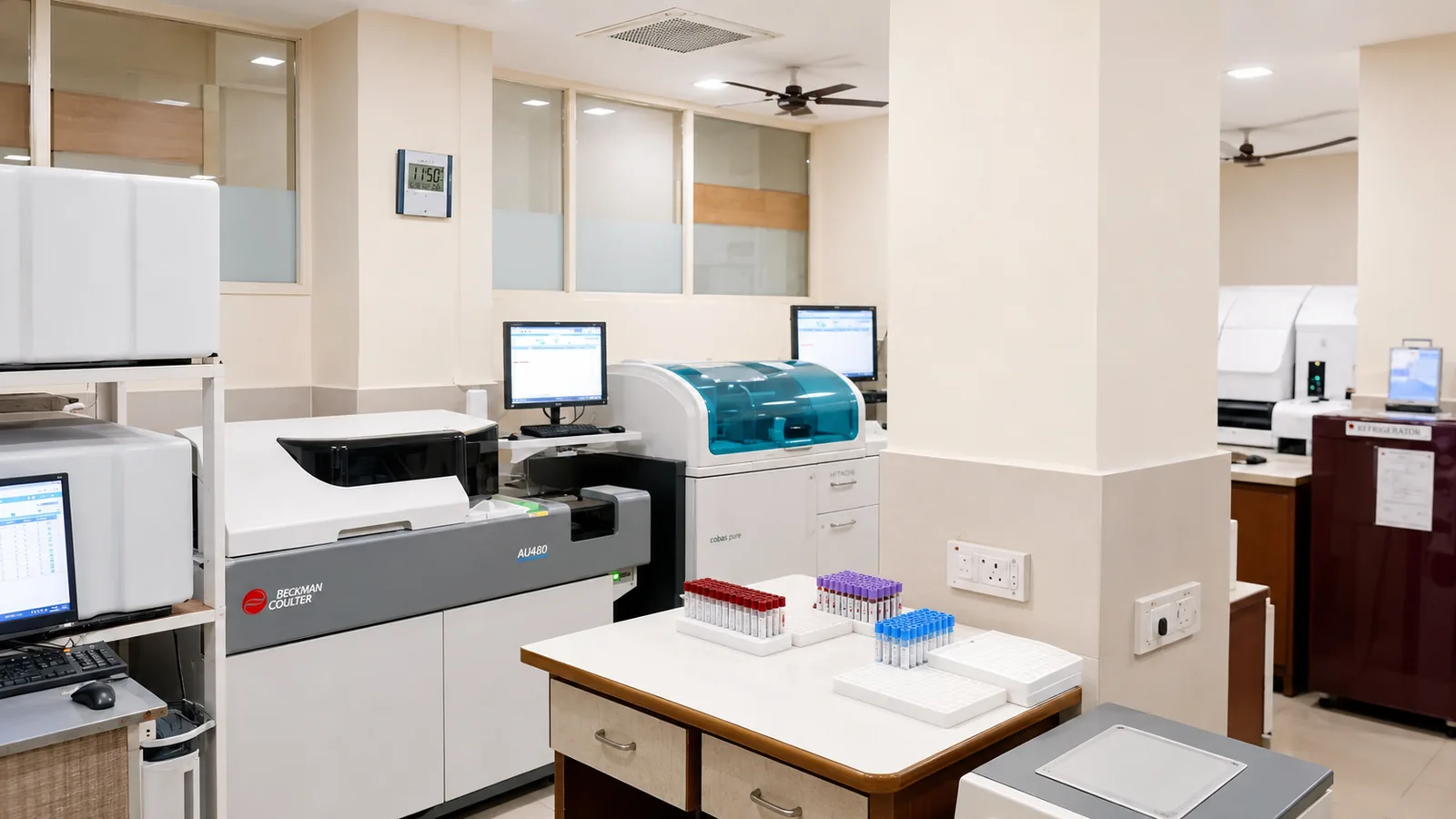
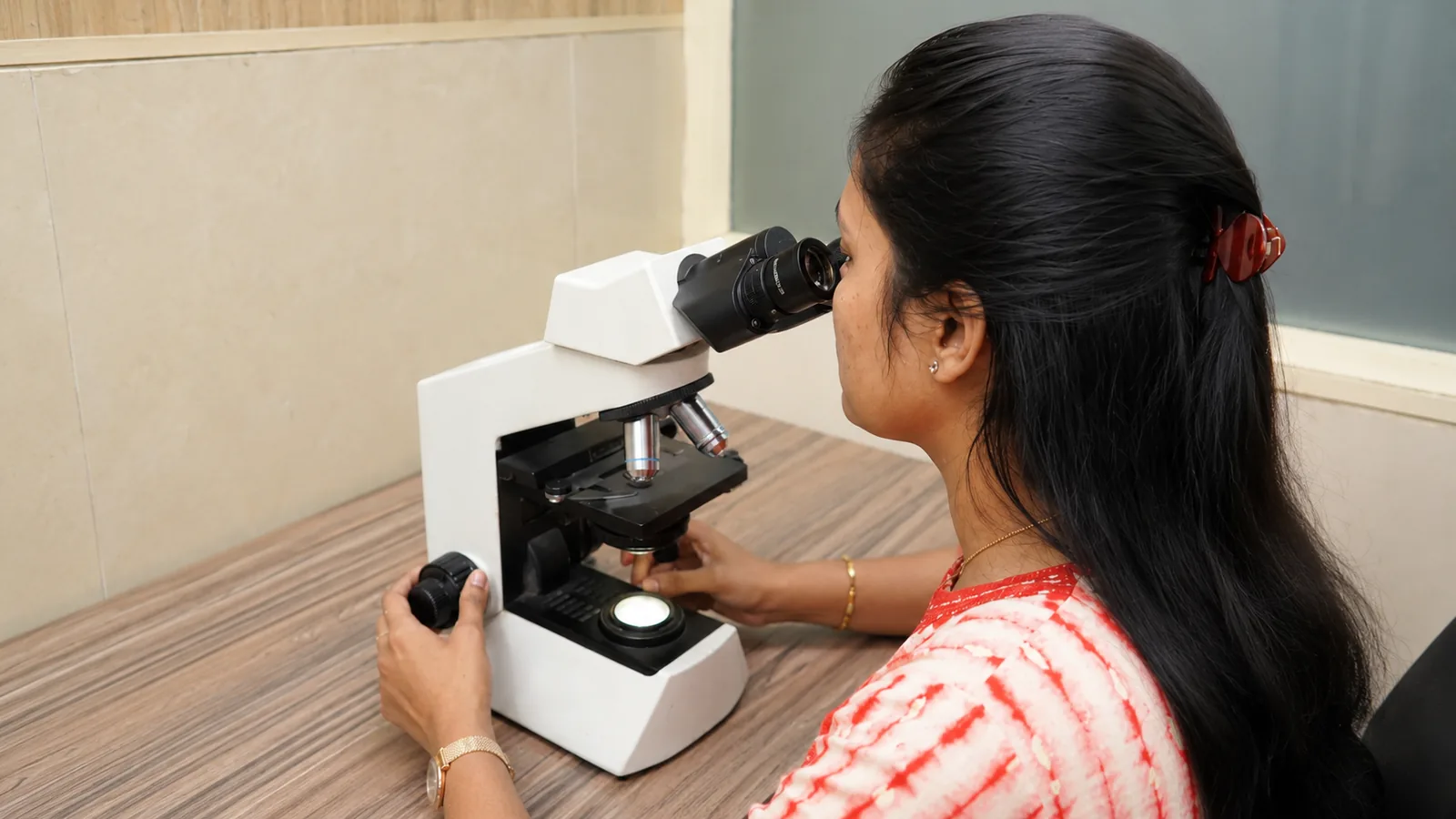
At Charak, samples are cultured under controlled conditions and read by trained microbiologists. Because a culture takes time to grow, these reports come in stages: an early Gram stain, then the organism, then the sensitivity — each released as it is confirmed rather than held back.
Why culture and sensitivity matters
Treating an infection with the wrong antibiotic wastes time and breeds resistance. A culture grows the organism from your sample; the sensitivity then tests it against a panel of antibiotics to show which ones work.
This is the difference between a doctor prescribing on a hunch and prescribing on evidence — and in a serious infection, it is the difference that decides the outcome.
Your doctor may order microbiology tests for
- A urinary tract infection — burning, frequency, fever (urine culture)
- A persistent fever of unknown cause (blood culture)
- A cough with sputum that will not settle (sputum culture)
- A wound, abscess or discharge that may be infected (swab culture)
- Choosing the right antibiotic before or during treatment
How to prepare
The single most important rule: where possible, give the sample BEFORE starting antibiotics. An antibiotic already in your system can stop the organism growing and hide the very thing the test is looking for.
- Urine culture: collect a clean mid-stream sample into the sterile container provided
- Give the sample before the first antibiotic dose whenever the situation allows
- Follow the specific collection instruction for your sample type — we explain it clearly
- Deliver the sample to the lab promptly, or let us collect it, so the result is reliable
What to expect
- 01
Sample collection
The right sample is taken for the suspected site of infection — urine, blood, sputum or a swab.
- 02
Culture
The sample is placed on culture media and incubated so any organism present can grow.
- 03
Identification & sensitivity
The organism is identified and tested against antibiotics to find which are effective.
- 04
Staged reports
A preliminary report is issued early; the final culture and sensitivity follows, typically within 48–72 hours.
Common questions
Why does a culture take two to three days?
The organism has to grow before it can be identified and tested against antibiotics — that growth takes time and cannot be rushed. We release a preliminary report early and the full sensitivity once it is confirmed.
Why must I give the sample before antibiotics?
An antibiotic already in your body can suppress the organism so it will not grow in the lab, which can make a real infection look negative. Sampling first gives an accurate answer.
What is 'sensitivity' on my report?
It is the list of antibiotics tested against your organism, showing which ones kill it and which it resists — so your doctor can choose a treatment that will actually work.
From the health library
Plain-language guides written by the team here — what the test measures, how to prepare, and what the result means.
 The urine routine test: the cheapest test on your report, and one of the most usefulIt costs almost nothing and picks up kidney disease, diabetes and infection. What each line on the report means.5 min read
 TB testing in Lucknow: which test confirms it, and why the old ones misleadTB is common, curable and frequently diagnosed late. Which test actually confirms it — and which widely sold test should never be used.6 min read
 Winter air in Lucknow: the cough that will not go, and which tests helpEvery winter the same cough arrives and stays for weeks. When it is just the air, and when it is worth investigating.5 min read
Related services
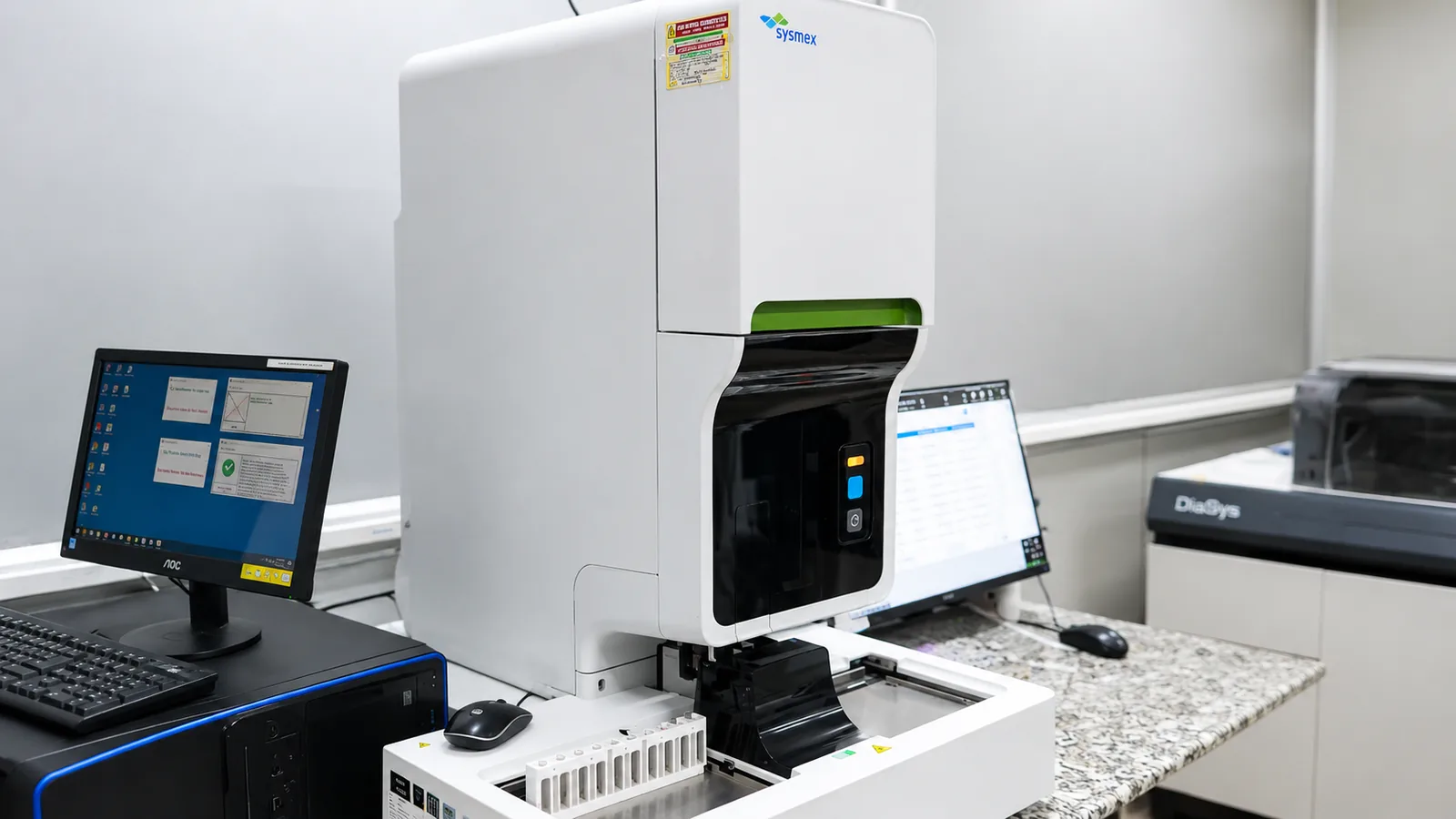
Haematology
Blood counts, anaemia work-up, and clotting studies from a single sample.
Read more →
Serology & Immunology
Antibody and antigen tests for infections, immunity and autoimmune conditions.
Read more →
Biochemistry
Blood chemistry for the liver, kidneys, sugar, lipids, thyroid and more.
Read more →