
Haematology Tests in Lucknow

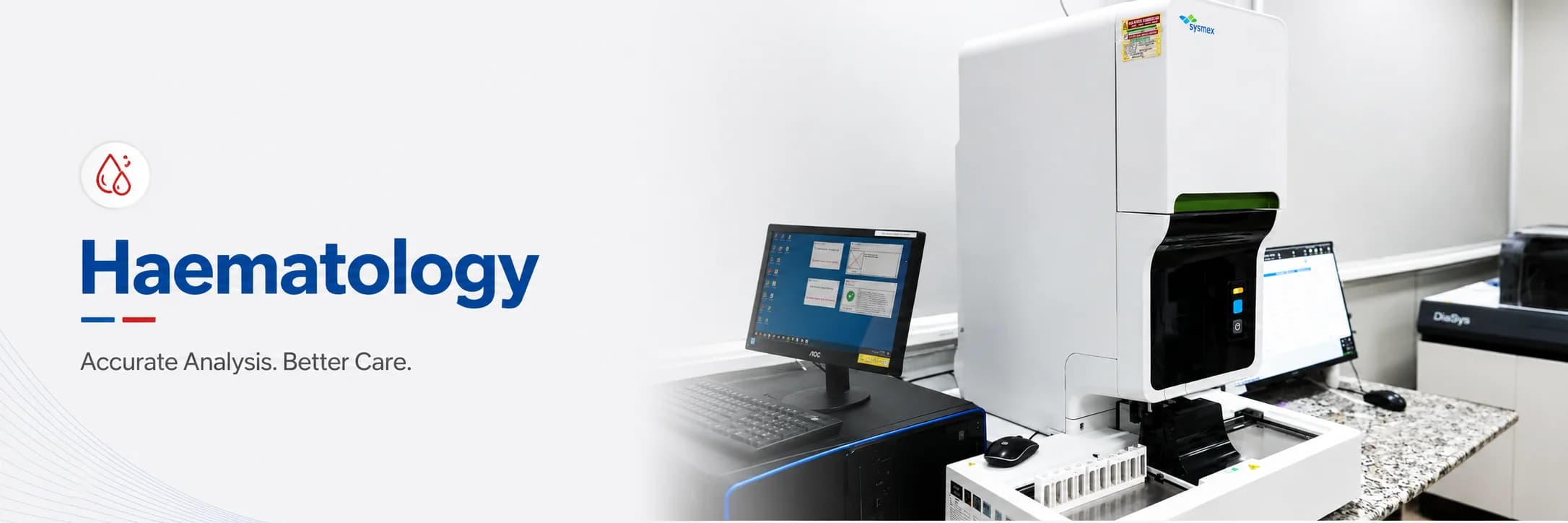
Blood counts, anaemia work-up, and clotting studies from a single sample.
Haematology is the study of blood itself — the red cells that carry oxygen, the white cells that fight infection, and the platelets that help you clot. The complete blood count (CBC) is the most commonly ordered blood test there is, and for good reason: it touches almost every illness.
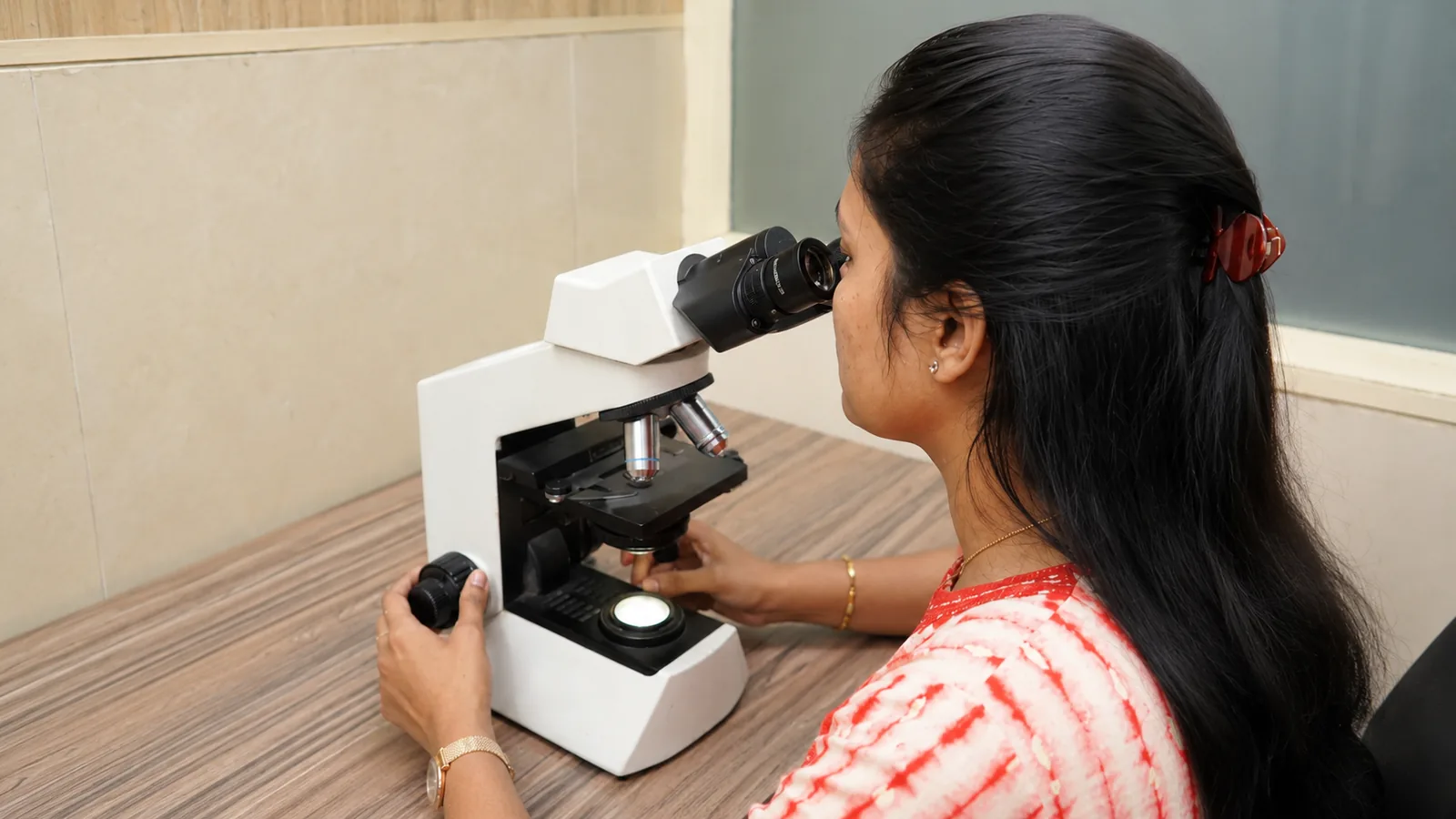
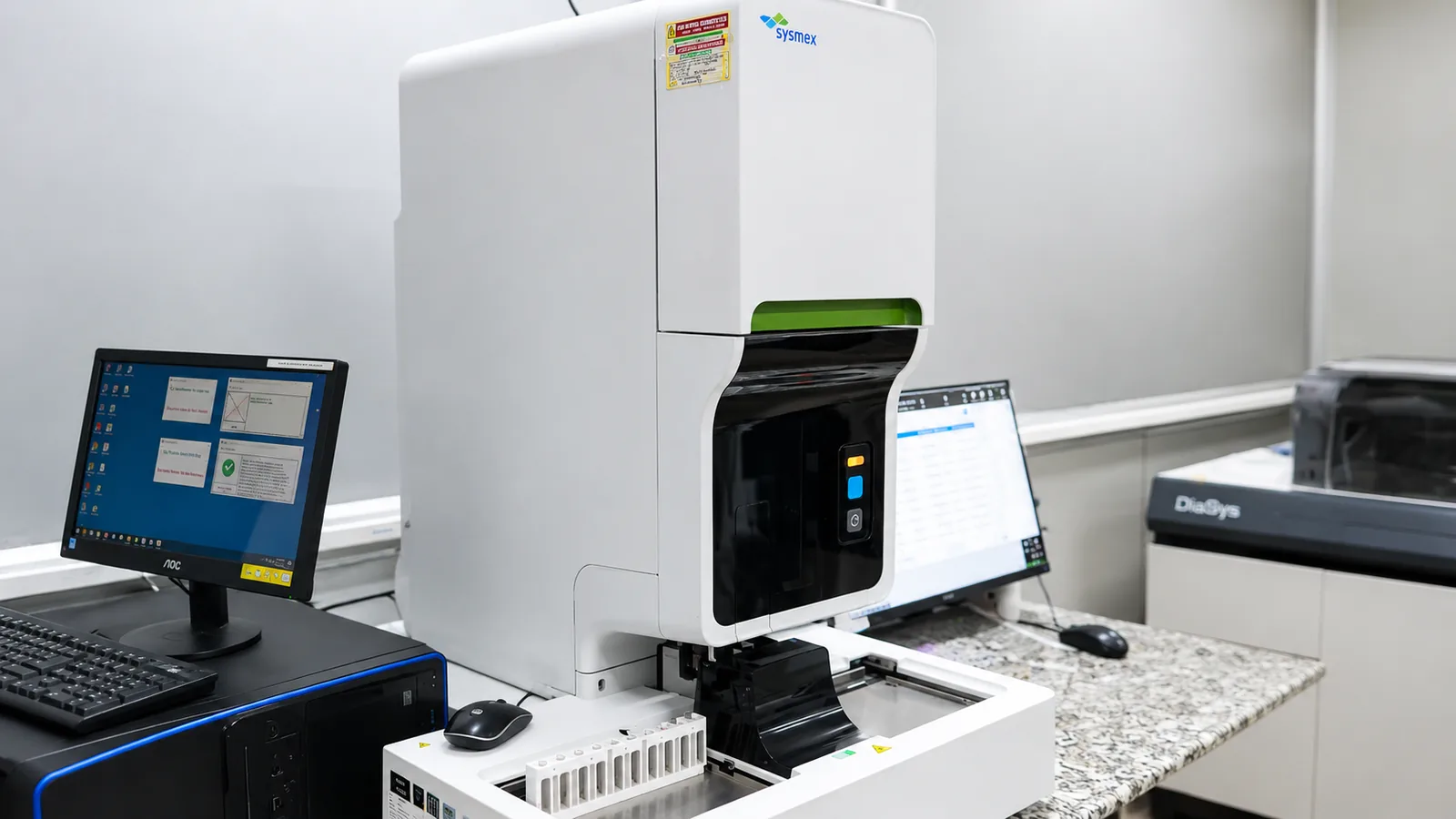
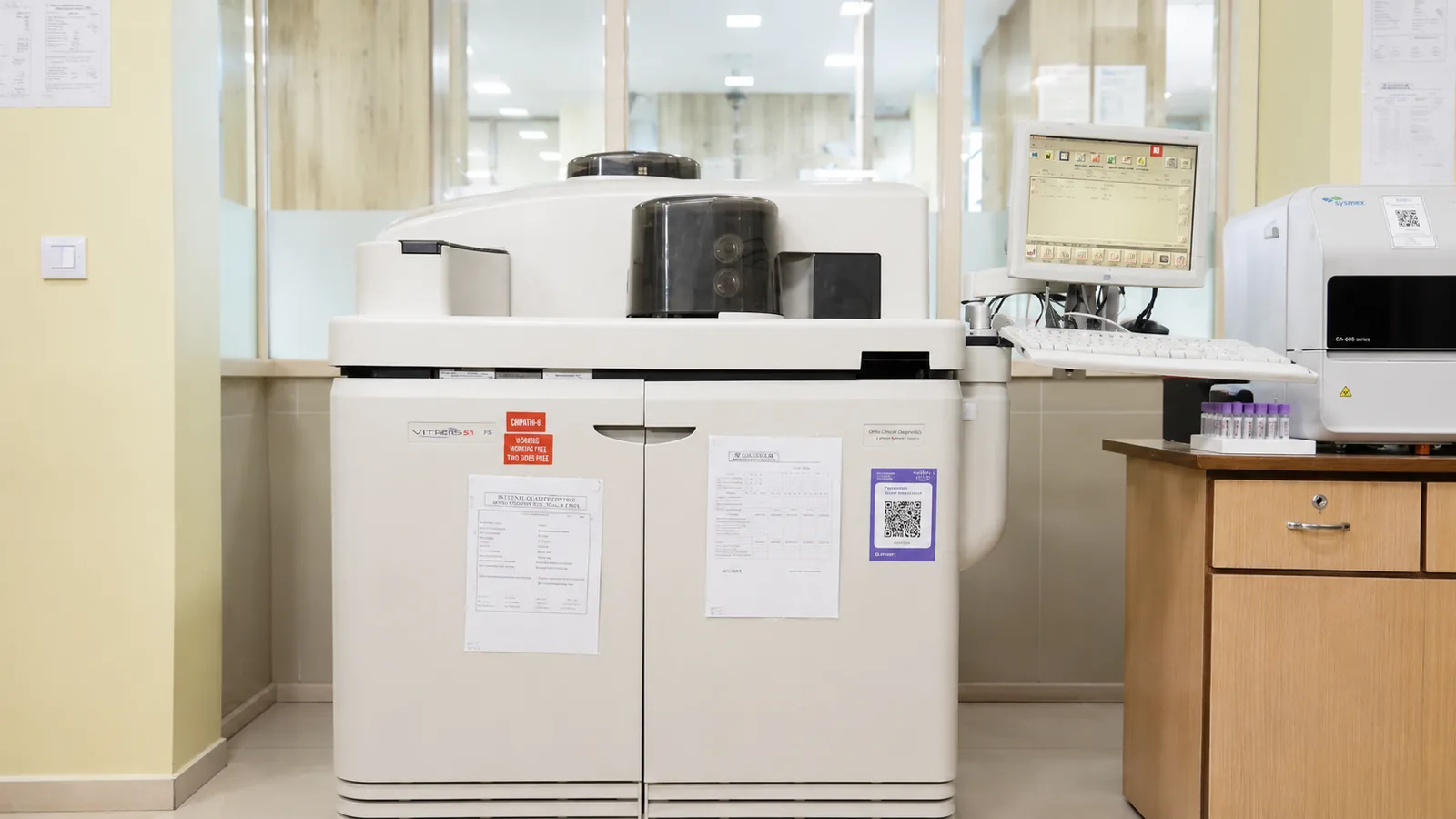
At Charak, counts are run on automated cell counters and, where a result calls for it, a peripheral smear is examined under the microscope by a pathologist — because a machine flags an abnormal cell, but a trained eye names it.
What a blood count tells your doctor
A CBC reveals anaemia, infection, inflammation and problems with clotting, all from one small sample. A low haemoglobin points to anaemia; a raised white count often means infection; a low platelet count matters before any surgery.
Beyond the count, haematology covers the ESR (a marker of inflammation), the anaemia profile that finds the cause of a low haemoglobin, and coagulation studies like PT/INR that guide blood-thinning treatment.
Your doctor may order haematology tests for
- Tiredness, weakness or suspected anaemia
- Fever or a suspected infection
- Before surgery — a routine pre-operative check
- Monitoring blood-thinning medication (PT/INR)
- Following up a known blood condition
- Any general health checkup
How to prepare
Most haematology tests need no fasting and can be done at any time of day.
- No fasting is required for a CBC, ESR or peripheral smear
- Take your medicines as usual
- If you are on a blood thinner, mention it so PT/INR is interpreted correctly
- A sample can be collected at the centre or at your home
What to expect
- 01
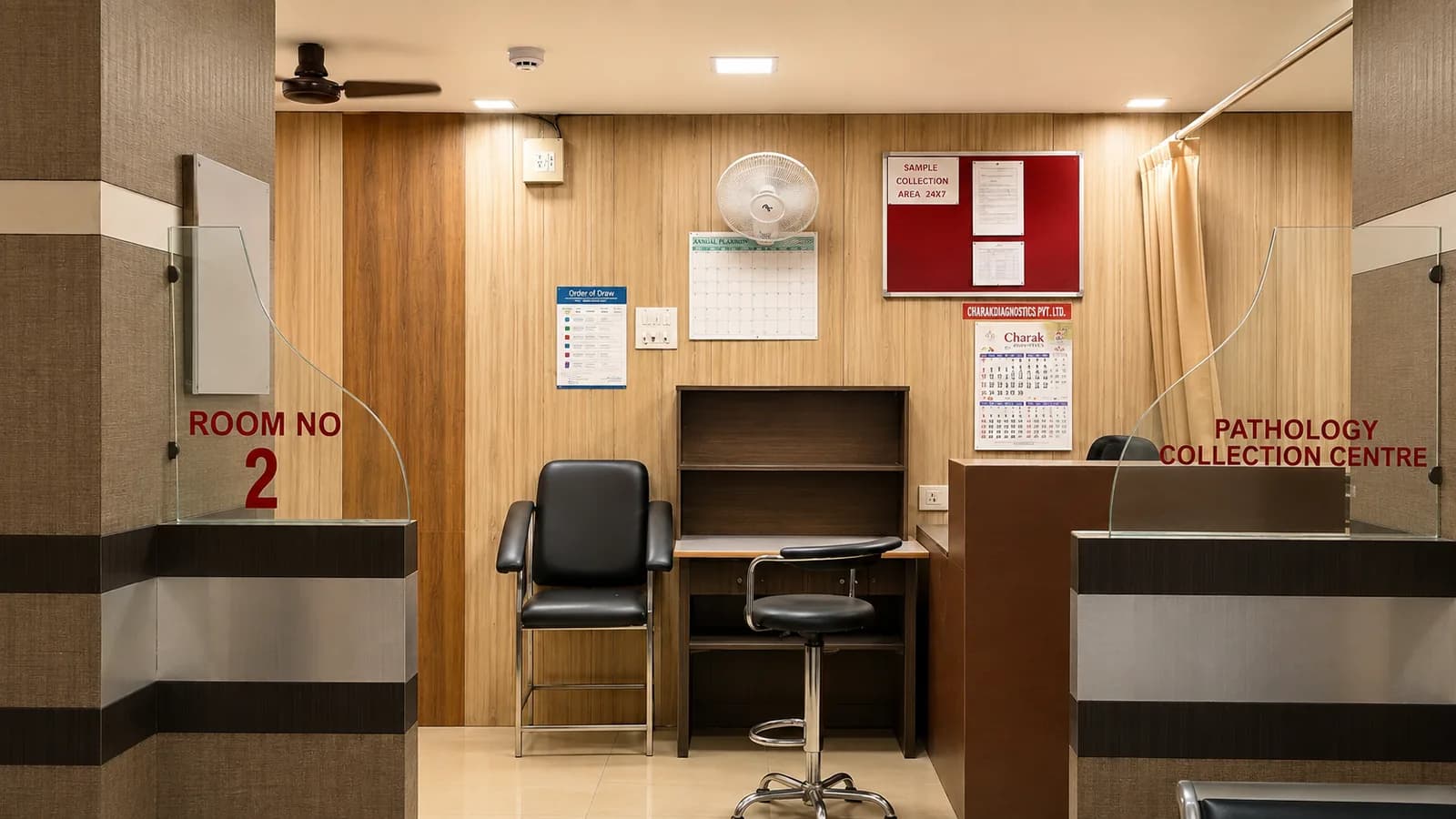
Sample collection
A small blood sample is drawn into a tube with anticoagulant so the cells stay intact for counting.
- 02
Automated count
The analyser counts and sizes the cells, and flags any that look abnormal for review.
- 03
Smear, if needed
When a flag appears, a pathologist examines a stained blood film under the microscope.
- 04
Your report
The report, with reference ranges, is available online the same day in most cases.
Common questions
What is a CBC and why is it so common?
A complete blood count measures your red cells, white cells and platelets. It is ordered so often because it gives a broad, quick picture that touches anaemia, infection, inflammation and clotting all at once.
Do I need to fast for a blood count?
No. A CBC, ESR and most haematology tests need no fasting and can be done at any time.
Why was a blood smear added to my test?
When the automated counter flags an unusual cell, a pathologist looks at a stained film under the microscope to identify it properly — the machine detects, the pathologist diagnoses.
From the health library
Plain-language guides written by the team here — what the test measures, how to prepare, and what the result means.
 Vitamin B12 deficiency: why it is common in India, and why it is missedCommon, easily corrected, and frequently missed until the damage is done. Who is at risk, and what to look for.6 min read
 CRP and ESR: what inflammatory markers can and cannot tell youBoth say inflammation is present. Neither says where or why — which is the single most useful thing to understand about them.5 min read
 Blood tests for children in Lucknow: making it easier, and what is worth doingHalf the difficulty of a child's blood test is the fear around it. What helps, and which tests are actually worth doing.5 min read
Related services
Biochemistry
Blood chemistry for the liver, kidneys, sugar, lipids, thyroid and more.
Read more →Microbiology
Finding the organism behind an infection — and the antibiotic that will treat it.
Read more →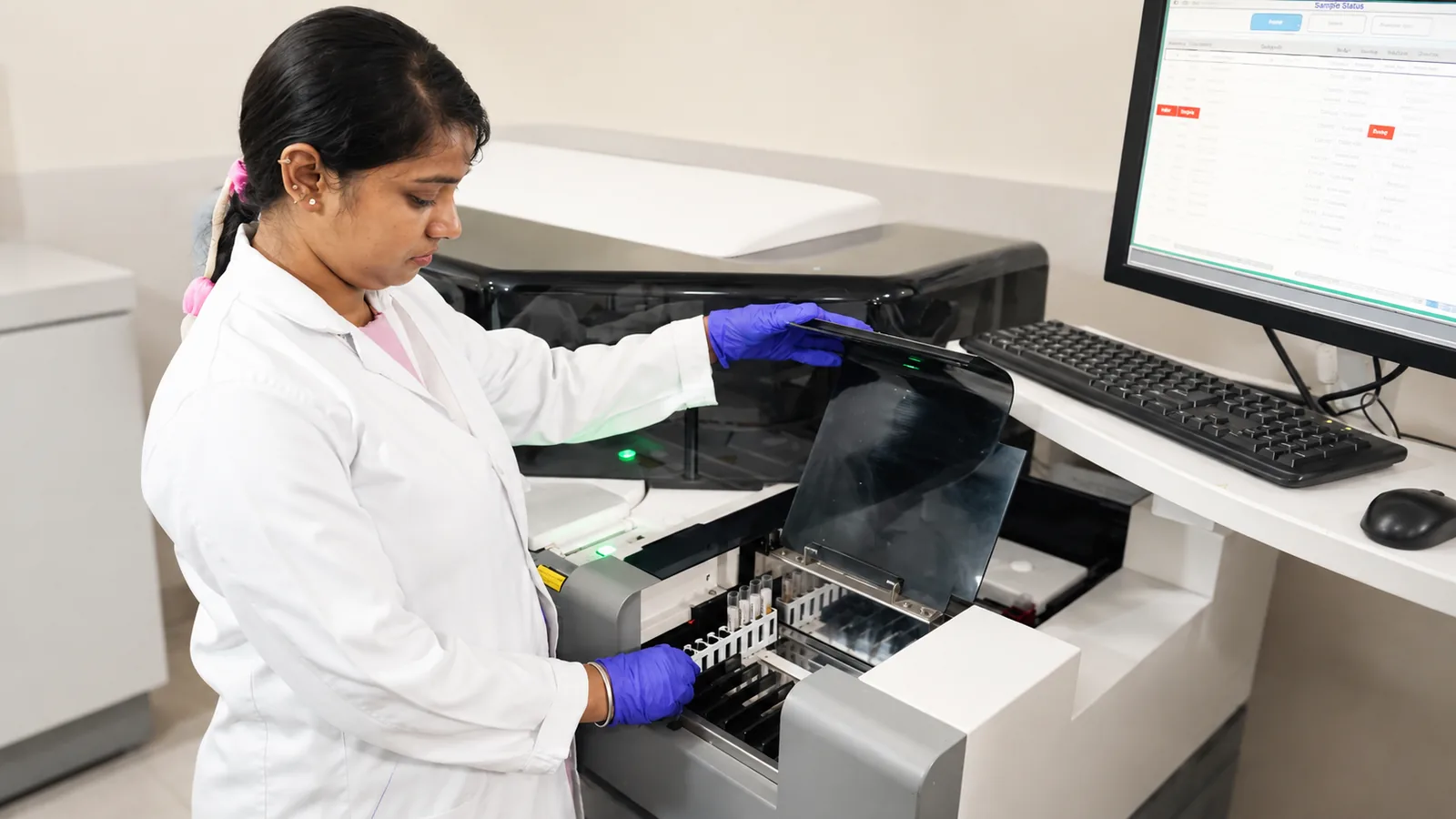
Molecular Diagnostics
Detecting infections and genetic changes at the level of DNA and RNA.
Read more →