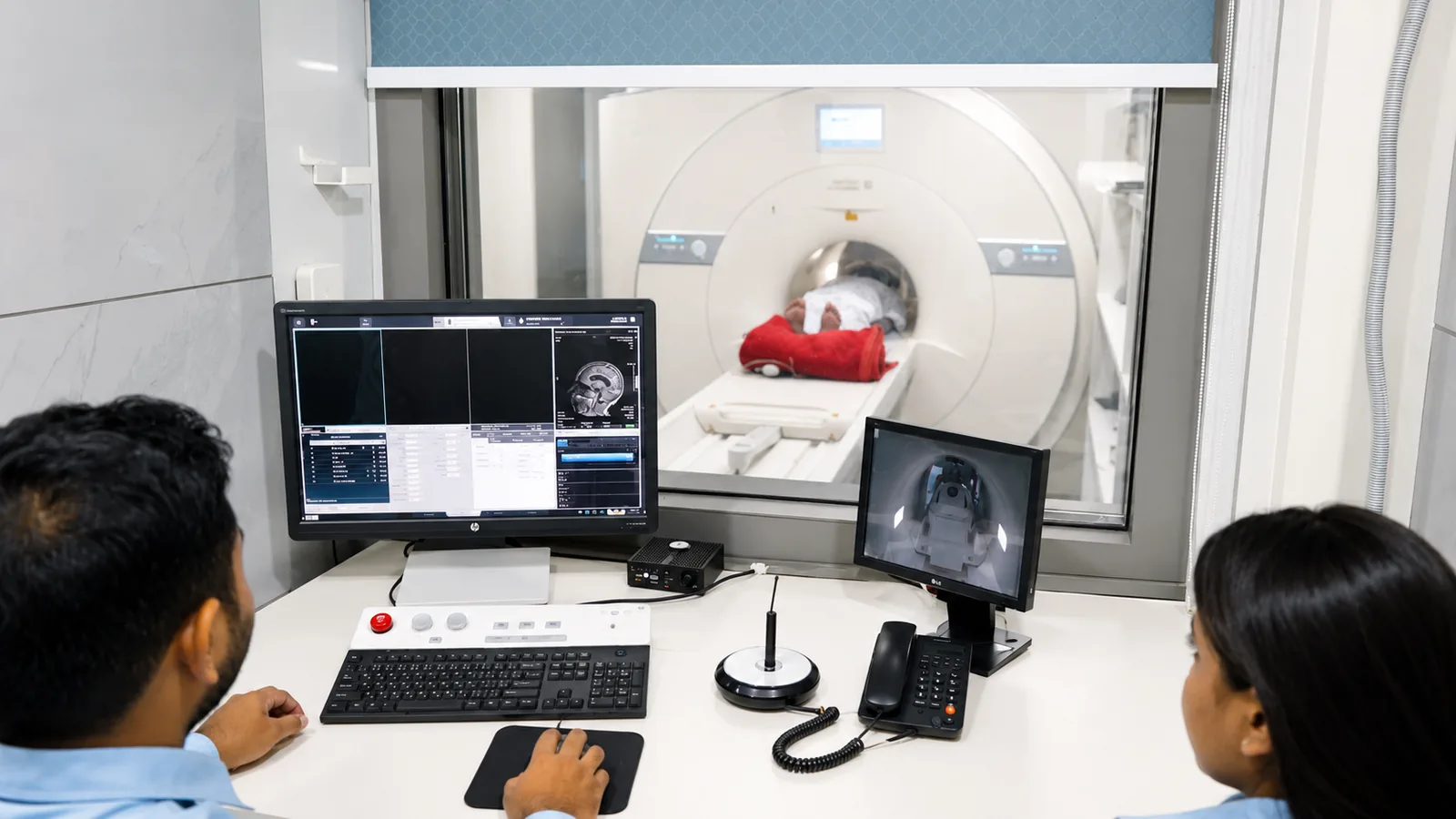
Radiology & Imaging
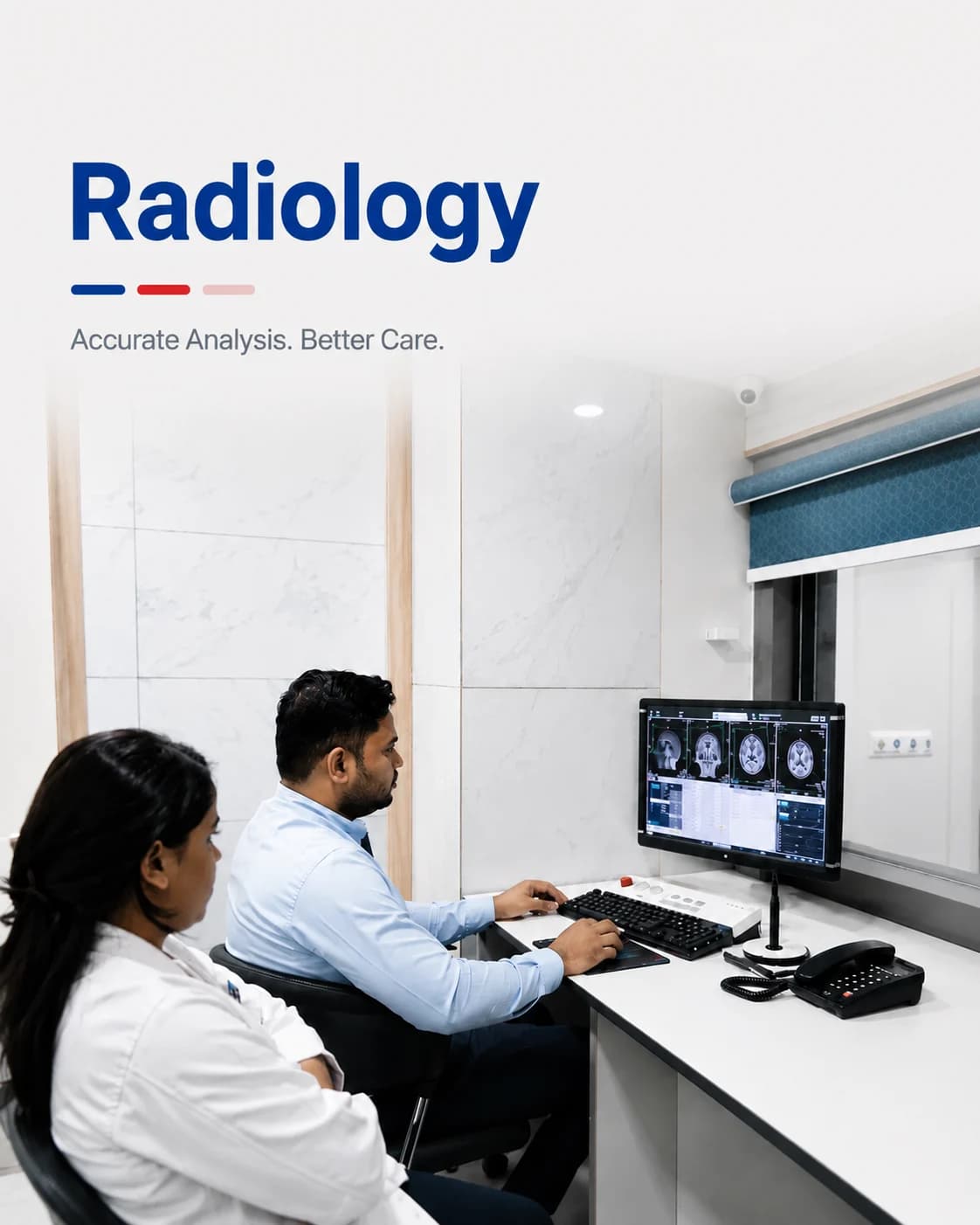
MRI, CT, digital X-ray, ultrasound and colour Doppler — reported by experienced radiologists and archived so a follow-up study can be compared properly.
Imaging
An image is only as good as the report attached to it
Equipment matters, but the part that changes a patient's treatment is the reading. Studies here are reported by qualified radiologists, and prior imaging is retrieved and compared rather than ignored.
Consultant reporting
Every study is read by a qualified radiologist, and complex cases are discussed before the report is signed.
Archived & comparable
Studies are stored so the next scan can be read against the last one — change over time is often the finding.
Dose kept deliberate
Protocols are matched to the patient and the question, not left on a single default setting.
Our imaging services
Explore each scan in detail
What it shows, how to prepare, what happens on the day, and answers to the questions patients ask most — on a page of its own for every modality.
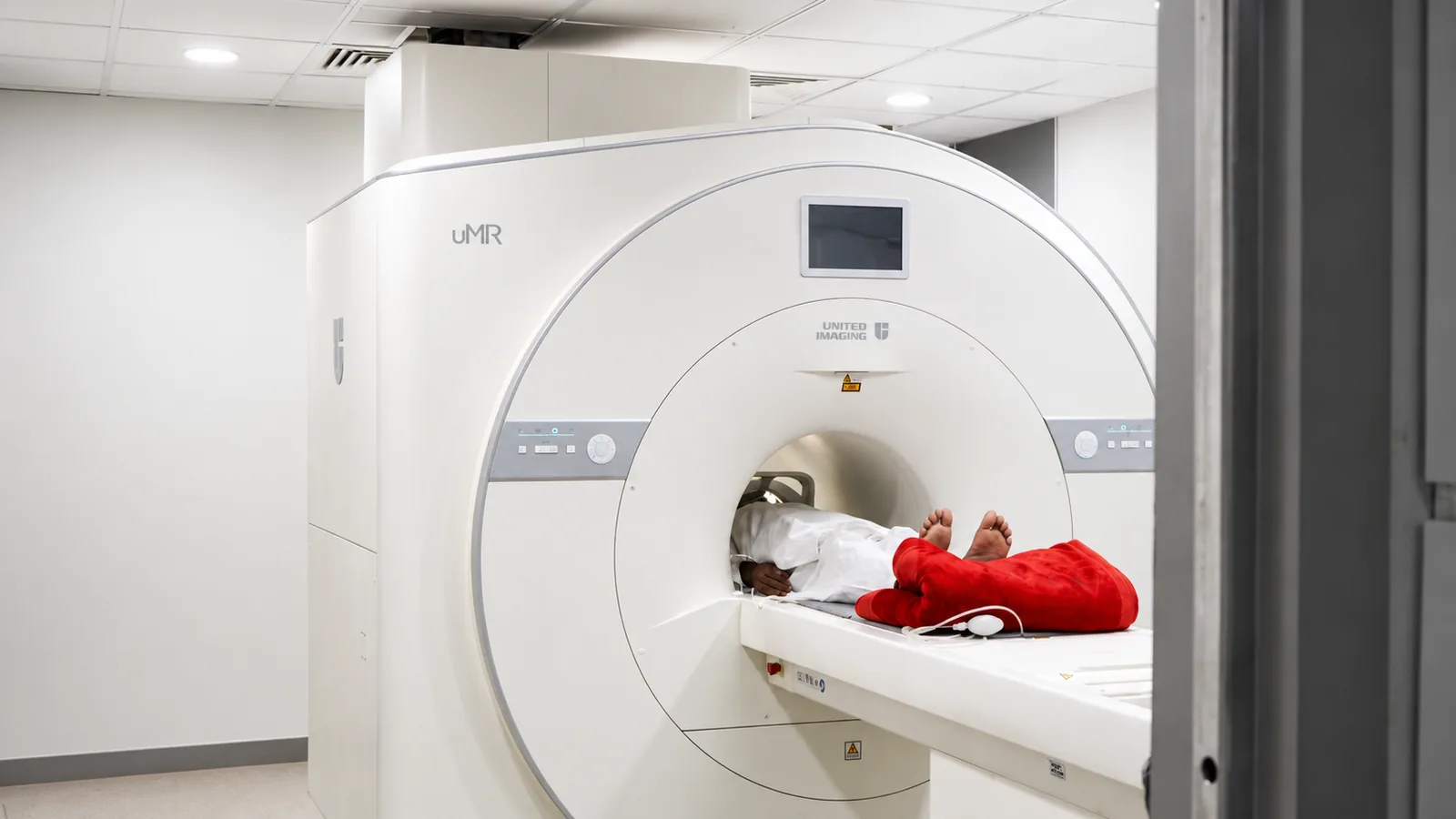
MRI
Detailed, radiation-free imaging of the brain, spine, joints and soft tissue.
Read more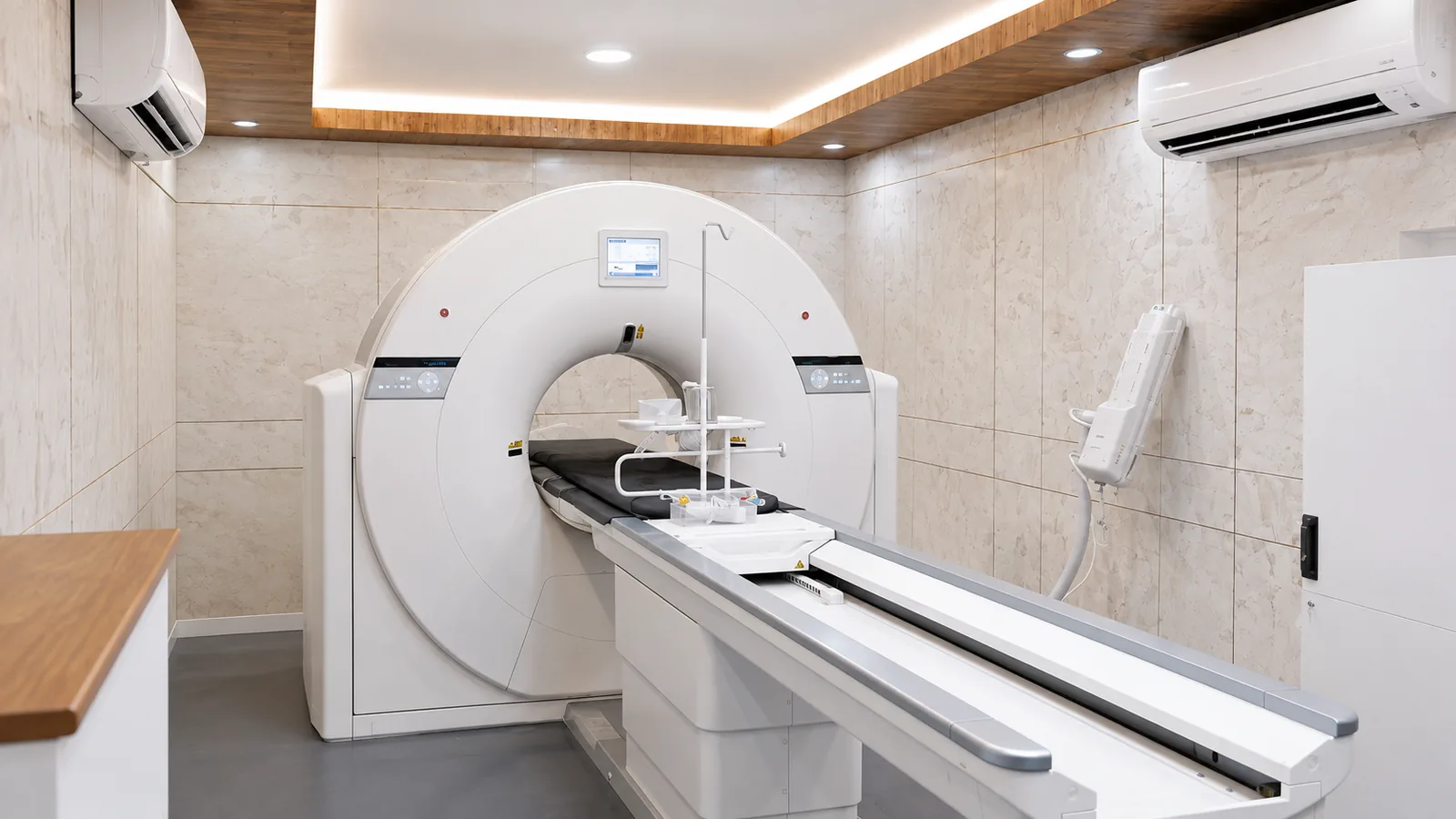
CT Scan
Fast, high-resolution cross-sections of the head, chest, abdomen and blood vessels.
Read more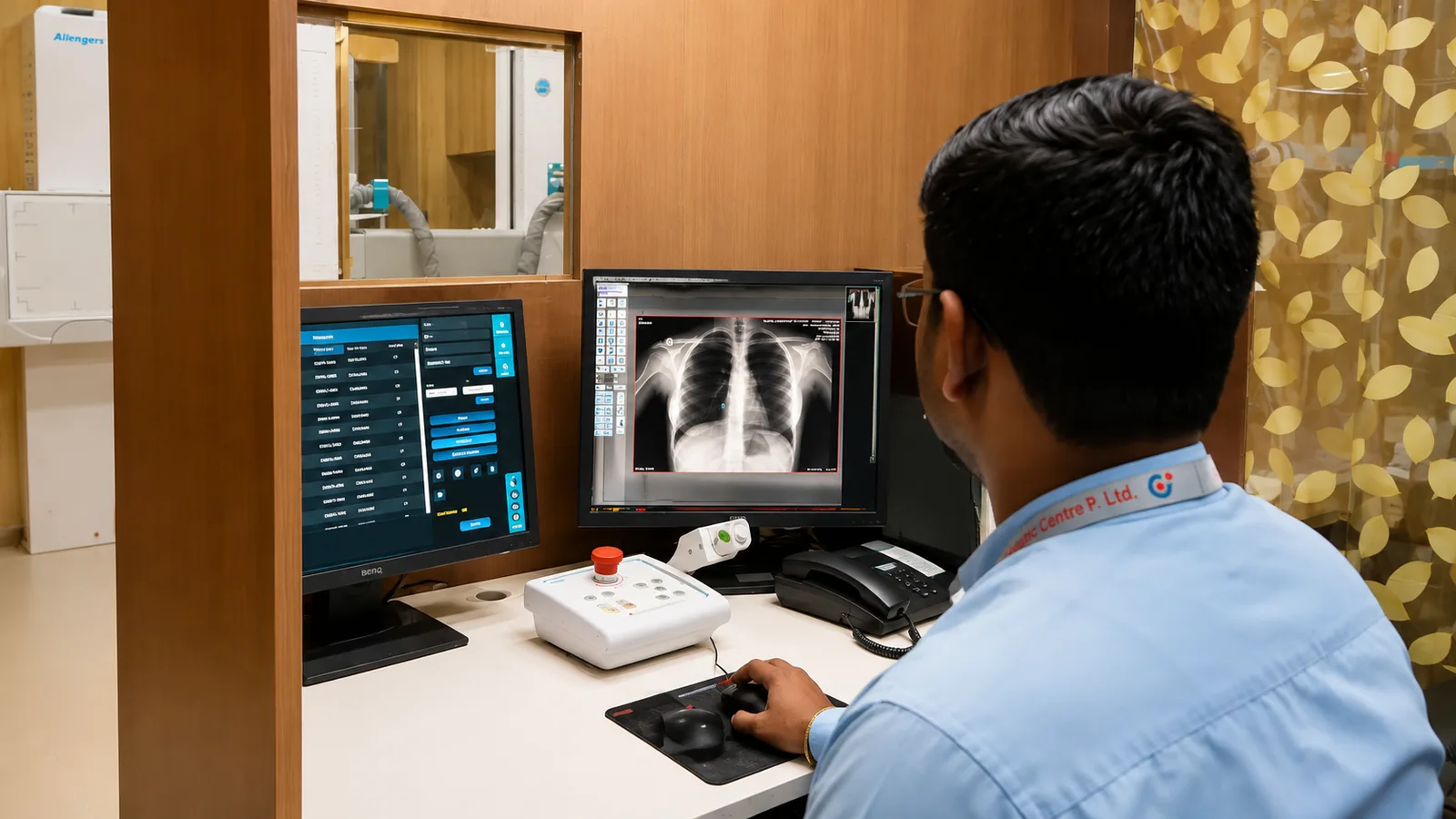
Digital X-Ray
Fast, low-dose imaging of the chest, spine, abdomen and bones — with no film to wait for.
Read more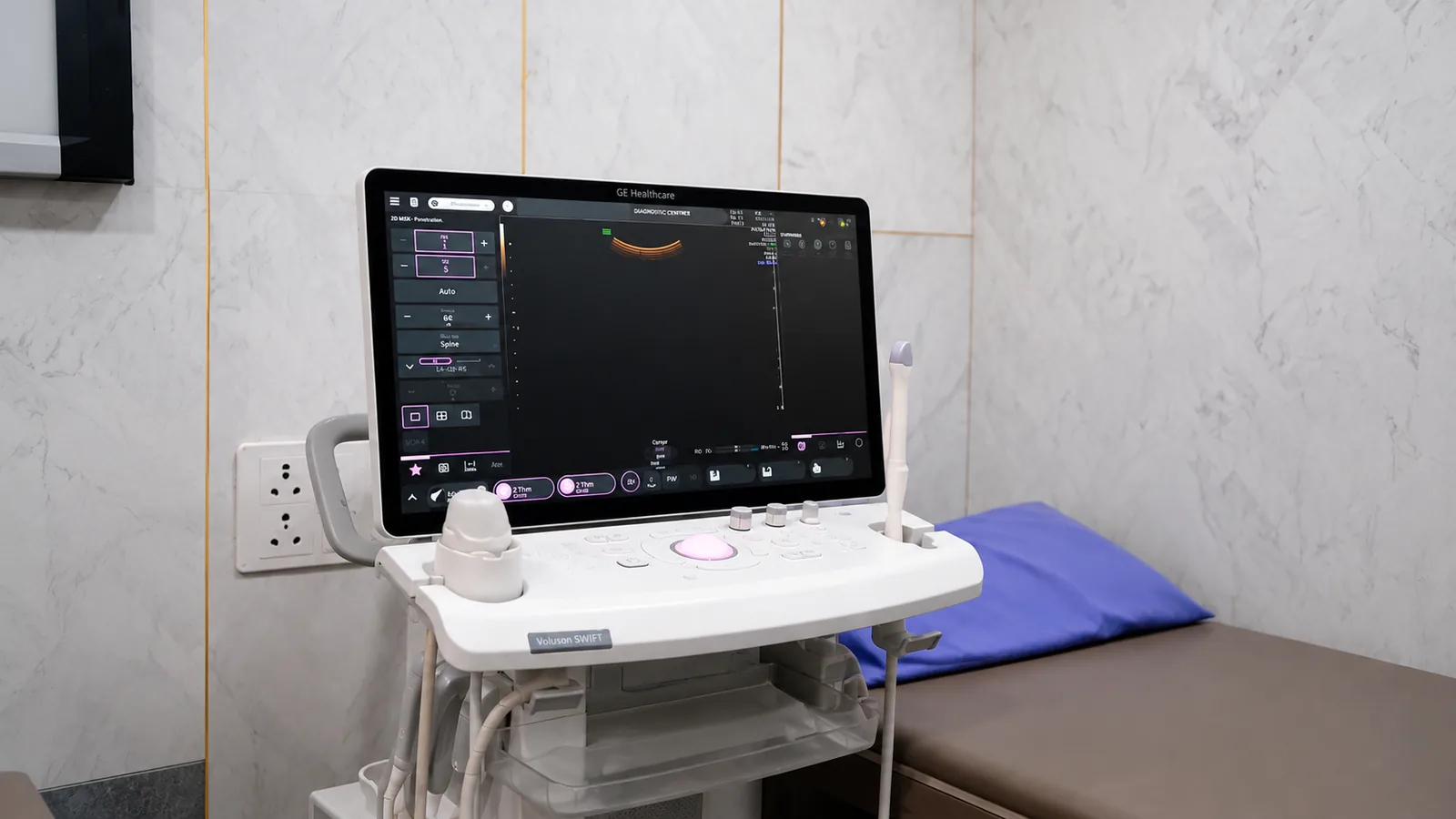
Ultrasound & Doppler
Safe, radiation-free imaging of the abdomen, pelvis, pregnancy and blood flow — in real time.
Read more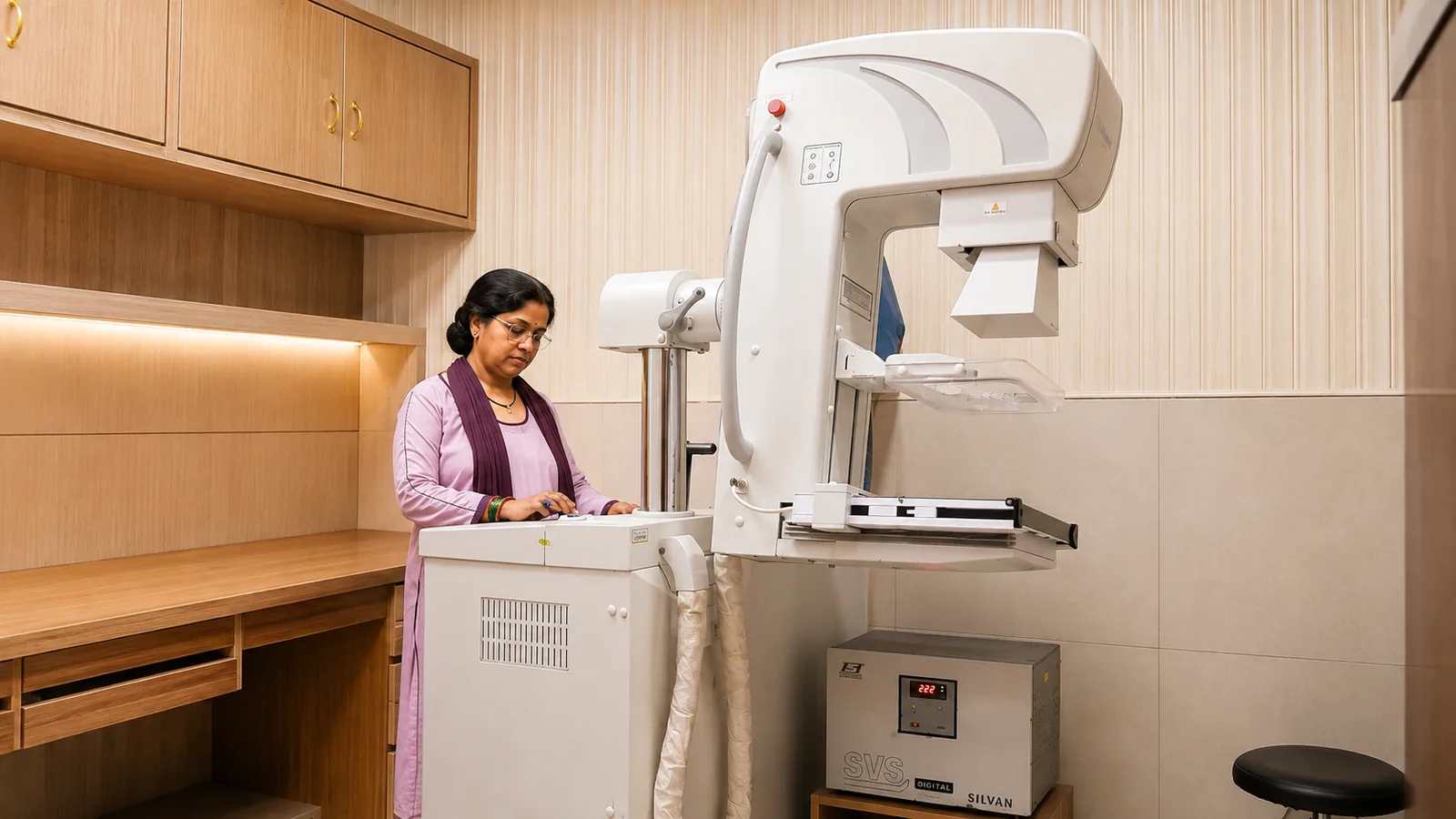
Mammography
Low-dose breast imaging for screening and for looking into a specific finding.
Read moreBefore you come
How to prepare for your scan
- Bring any previous films, scans or reports — comparison changes interpretation more often than people expect.
- Tell us about pregnancy, or any possibility of it, before an X-ray or CT.
- For MRI, declare pacemakers, implants, surgical clips or metal fragments in advance.
- Fasting is required for some abdominal ultrasound and contrast studies — the front desk will confirm when you book.
- For contrast studies, tell us about kidney disease, diabetes medication or a previous contrast reaction.