
How to prepare for your test
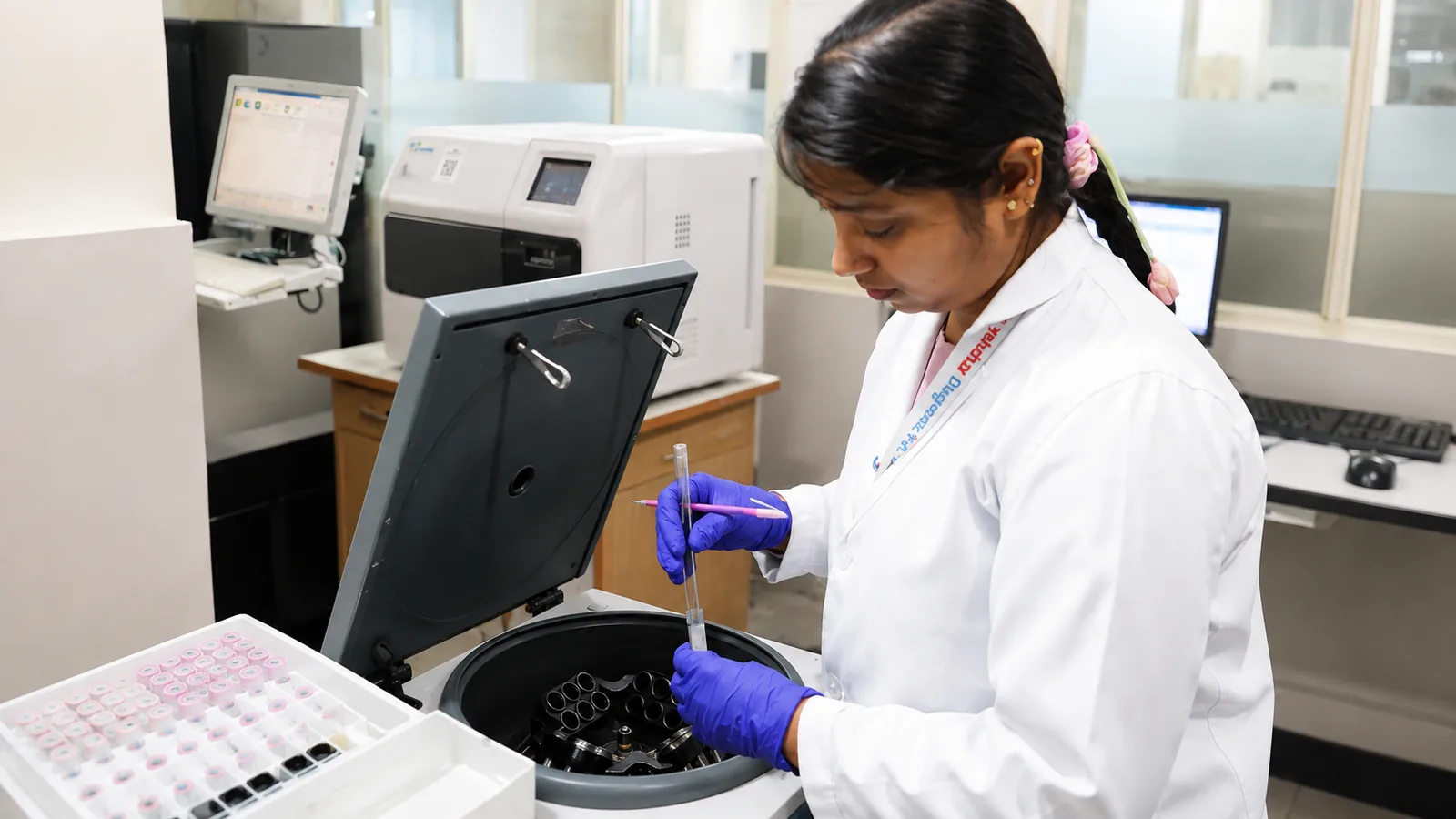
A test done wrong has to be done again. Five minutes of preparation is what stands between an accurate report and a repeat visit.
The question we are asked most
Which tests need fasting?
Not as many as people think. Fasting unnecessarily is uncomfortable and pointless; not fasting when it was needed means coming back.
8–12 hours
Fasting blood sugar, lipid profile (cholesterol), iron studies, insulin
Water is allowed and encouraged. No tea, coffee, milk or juice — not even black tea without sugar.
Timed, not fasted
Post-prandial blood sugar, glucose tolerance test (GTT)
Eat your normal meal, then return exactly two hours after the FIRST bite. The clock starts with the first mouthful, not the last.
Preferably fasting
Liver function, kidney function, uric acid, calcium, arthritis and full-body panels
Often accepted non-fasting, but these usually travel with a sugar or lipid test in a package — so the overnight fast applies in practice.
No fasting at all
CBC, HbA1c, thyroid (TSH, T3, T4), vitamin D, vitamin B12, CRP, dengue, typhoid, blood group, most hormones
Come at whatever time suits you, eat normally. HbA1c in particular reports a three-month average and cannot be improved by skipping breakfast.
Water is not breaking your fast
Drink it. Being dehydrated makes the vein harder to find and can nudge urea upwards.
Book the earliest slot
Or a home collection — so the fast ends at your kitchen table rather than in traffic.
No alcohol for 24 hours
Before a lipid profile or liver function test. It raises triglycerides and GGT on its own.
The part people get wrong
Your medicines and supplements
Timing matters more than stopping. Here is what actually affects a result — and what does not.
Never stop a prescribed medicine on your own
Blood pressure, heart, epilepsy and psychiatric medicines are the ones people wrongly skip before a test. Skipping a dose to 'get a clean result' is riskier than the result being slightly affected. If a medicine genuinely must be paused, the doctor who prescribed it will say so.
Thyroid tablets — after the sample, not before
Take your thyroxine after blood has been drawn. Taken beforehand, the T4 reading reflects the tablet you swallowed an hour ago rather than what your own gland is doing, and the dose can end up wrongly adjusted.
Iron supplements — pause 24 hours before iron studies
A tablet taken that morning pushes serum iron up sharply. Unless your doctor has said otherwise, stop iron for a day before the test so the result reflects your stores rather than your supplement.
Biotin supplements — tell us
High-dose biotin, common in hair and nail supplements, interferes with several thyroid and hormone assays and can produce dramatically wrong results. Mention it at the desk; a 48-hour gap is usually enough.
Antibiotics — before the culture, not after
For any culture — urine, throat, wound, blood — the sample must be taken before the first dose. A single dose can stop the organism growing and turn a positive culture negative, which helps nobody.
Collected by you, not by us
Giving a sample correctly
For urine, stool and semen the collection itself is part of the test — and it is the step most often responsible for an unusable sample.
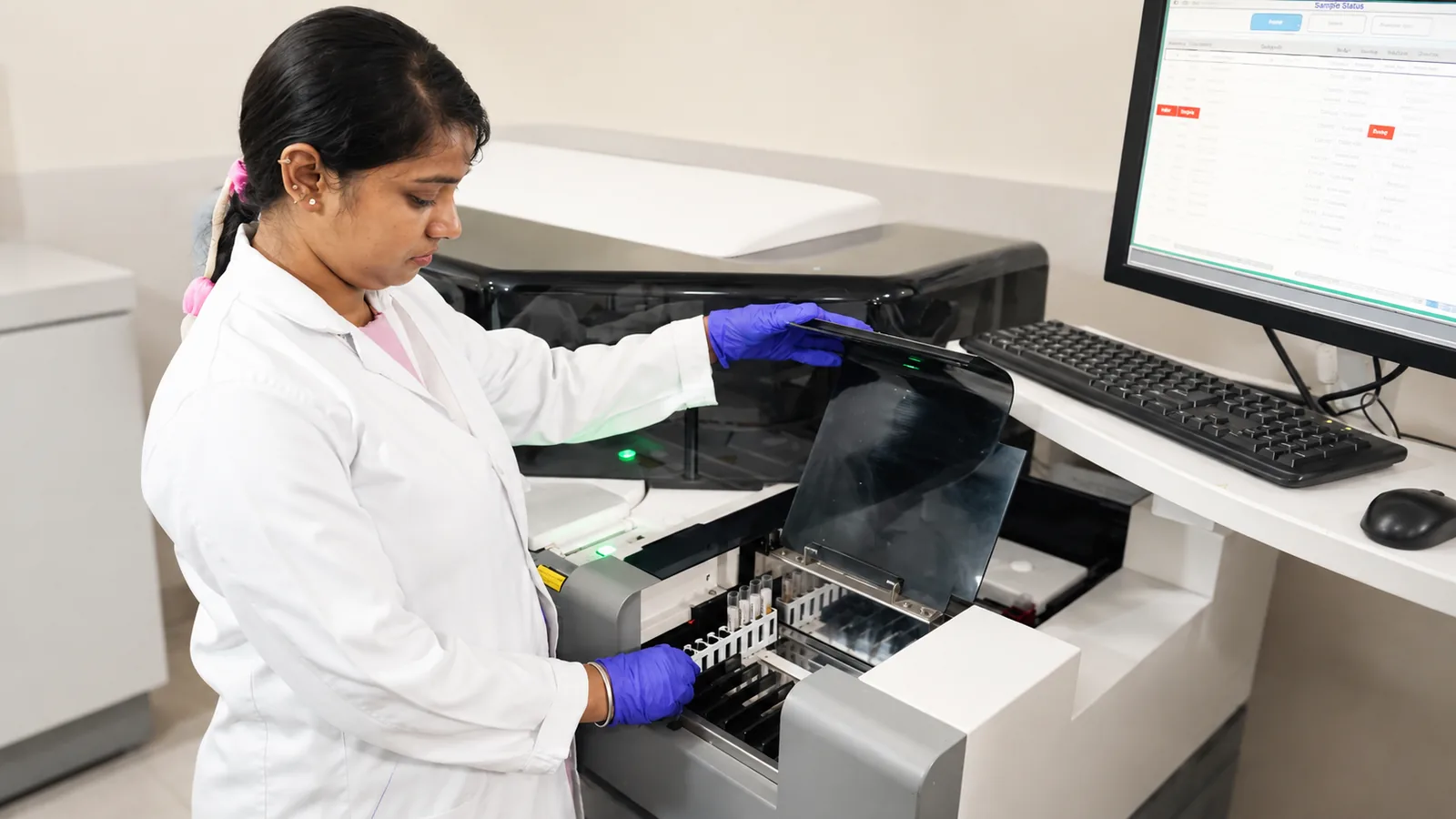
Urine — routine or culture
- 1Use the first urine of the morning where possible — it is the most concentrated.
- 2Wash and dry the area first; contamination is the commonest reason a sample has to be repeated.
- 3Pass the first part into the toilet, collect the middle portion in the sterile container, finish in the toilet. That is what 'mid-stream' means.
- 4Use only the sterile container we supply — a rinsed bottle from home grows organisms of its own.
- 5Get it to the laboratory within an hour, or hand it directly to the phlebotomist on a home visit.
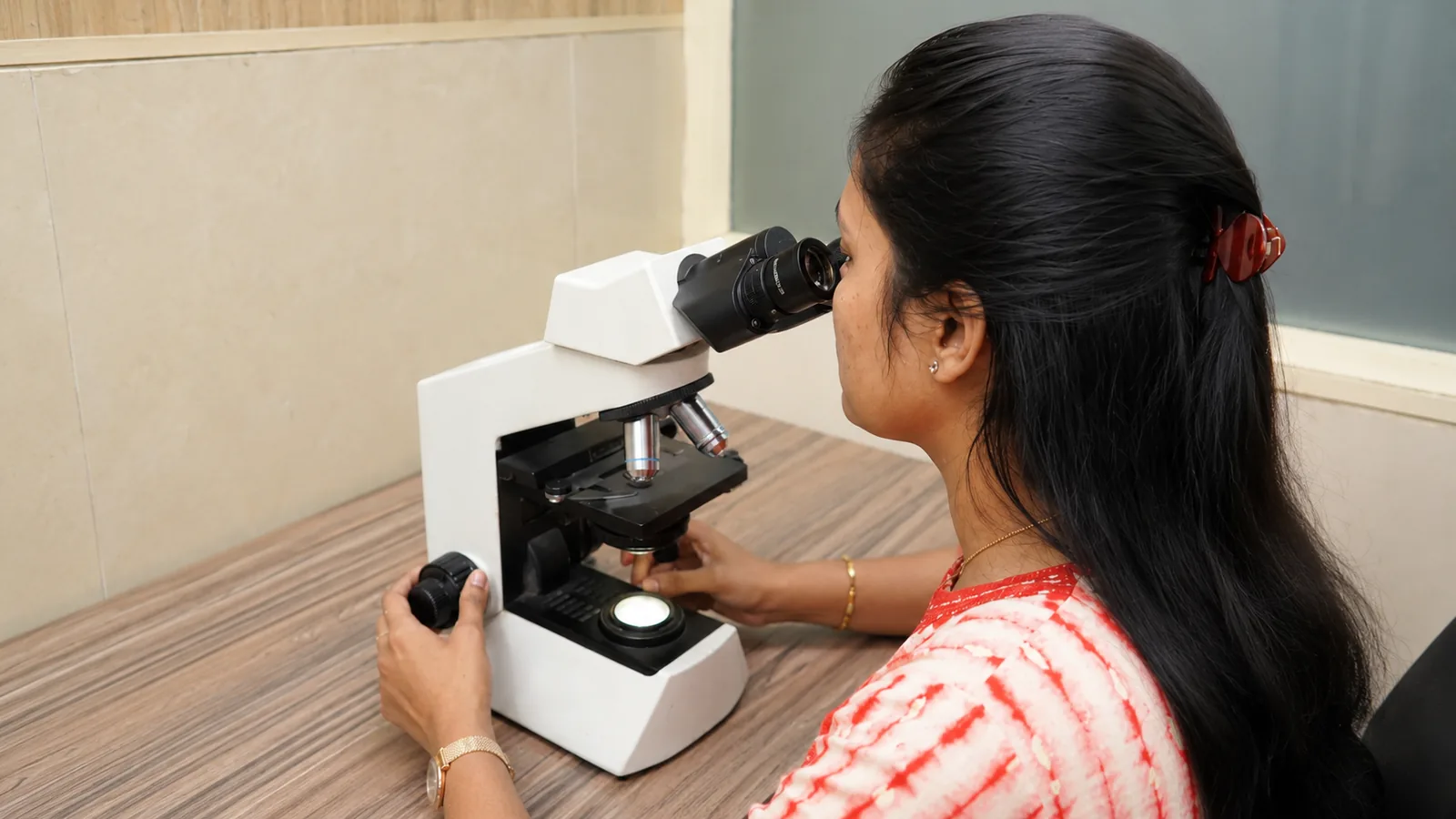
Stool sample
- 1Collect into the clean, dry container provided — not into a container that has held anything else.
- 2Do not let it mix with urine or with water from the pan; both make microscopy unreliable.
- 3A walnut-sized portion is plenty. If there is blood or mucus visible, include that part.
- 4Deliver within an hour for routine examination; for a culture, the sooner the better.
Semen analysis
- 1Abstain from ejaculation for 2 to 5 days — fewer than two days lowers the count, more than five reduces motility.
- 2Collect the complete sample; the first portion carries most of the sperm and losing it skews everything.
- 3Produce the sample at the centre if you can. If collected at home it must reach us within an hour, kept close to body temperature.
- 4Note the exact time of collection on the container.
Imaging & procedures
Preparing for a scan
Each machine asks something different of you. Getting it right the first time saves a second appointment.
Ultrasound — whole abdomen
Fast for 6–8 hours so the gallbladder is full and the bowel is quiet. Do not smoke or chew gum in that time — both push air into the stomach and air is what blocks the view.
Ultrasound — pelvis (lower abdomen)
Arrive with a full bladder: finish about a litre of water an hour before and do not pass urine. A full bladder lifts the bowel out of the way and is the difference between a clear scan and a repeat visit.
Obstetric ultrasound
No fasting. Bring your antenatal card and previous scans. Every obstetric scan requires the PCPNDT paperwork the law prescribes — the centre completes it with you. Prenatal sex determination is a criminal offence and is never performed or disclosed.
CT scan with contrast
Fast for 4–6 hours. Bring a recent kidney function report if you have one — contrast is filtered by the kidneys. Tell us about asthma, previous contrast reactions, and about metformin, which is often paused around the scan.
MRI
Usually no fasting unless the study needs contrast. Leave all metal at home or in the locker: jewellery, watches, hairpins, coins, cards. You must tell us in advance about a pacemaker, cochlear implant, aneurysm clip, metallic implant or any metal fragment in the eye — the magnet is always on, and this is a safety matter, not a formality.
X-Ray
No preparation. Remove metal from the area being imaged. Tell the radiographer if you are or might be pregnant, before the exposure rather than after.
TMT (treadmill test)
Light meal 2–3 hours before, comfortable clothes and walking shoes. No tea, coffee or smoking for 3 hours. Ask the prescribing doctor whether to pause beta-blockers — do not decide that on your own.
PET-CT
Fast for 6 hours — water only, no sugary drinks. Avoid strenuous exercise for 24 hours beforehand: the tracer is a sugar, and hard-working muscles take it up and confuse the images. Diabetics need specific instructions, so tell us at booking.
Tell us before, not after. Pregnancy or a possible pregnancy, a pacemaker or metal implant, a previous reaction to contrast, kidney disease, asthma, claustrophobia — every one of these changes how a scan is done, and all of them are easy to accommodate when we know in advance.
What to bring with you
- Your prescription, if a doctor ordered the tests
- Previous reports for the same tests — a trend is worth more than a single value
- A photo ID, and your booking reference if you booked online
- Your insurance or corporate scheme details, if the bill goes to them
- A list of the medicines and supplements you take, including the ones you bought yourself
If you are nervous about the needle
Say so. It is a common thing to feel and our phlebotomists deal with it every day — lying down for the draw, looking away, and having someone with you all genuinely help.
Being well hydrated makes veins easier to find, which makes the draw quicker and gentler. If you have fainted during a blood test before, tell the staff before they start rather than afterwards.
For children, home collection is often kinder than a clinic room — familiar surroundings, no waiting area, and a parent within arm’s reach.
These are our general instructions. If your doctor has given you different ones for a specific test, follow your doctor — and if the two seem to conflict, call us on 8400888844 before you fast unnecessarily.