
Biochemistry Tests in Lucknow
Blood chemistry for the liver, kidneys, sugar, lipids, thyroid and more.
Clinical biochemistry measures the chemistry of your blood — the enzymes, sugars, fats, proteins, hormones and minerals that tell a doctor how your organs are working. It is the backbone of most health checkups and the first place a doctor looks when something feels off.
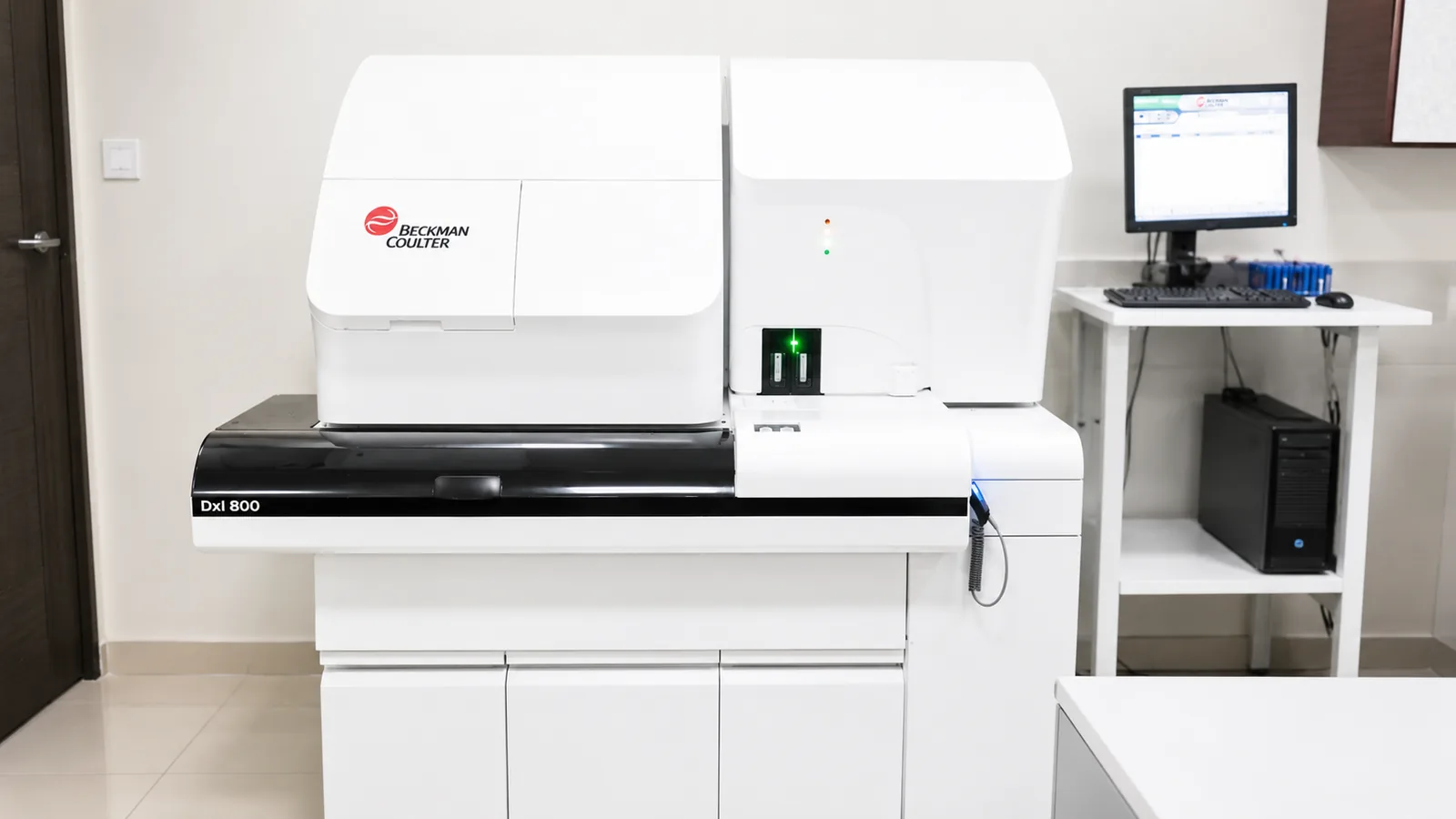
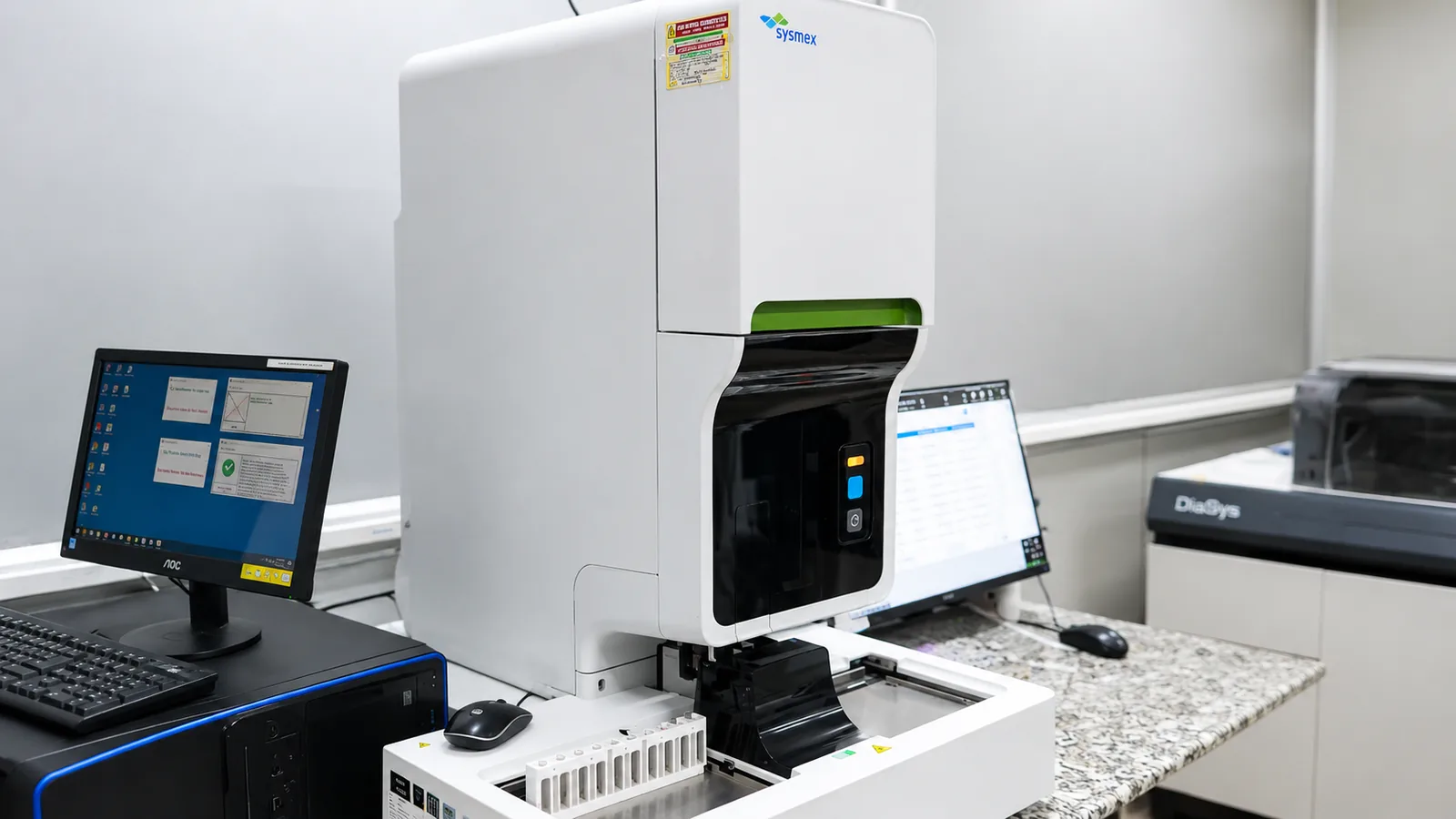
At Charak, biochemistry runs on automated analysers with internal quality control on every batch, and results are validated by a pathologist before release. Most of these tests can be collected at your home, so a fasting sample need not mean a trip out before breakfast.
What biochemistry tests reveal
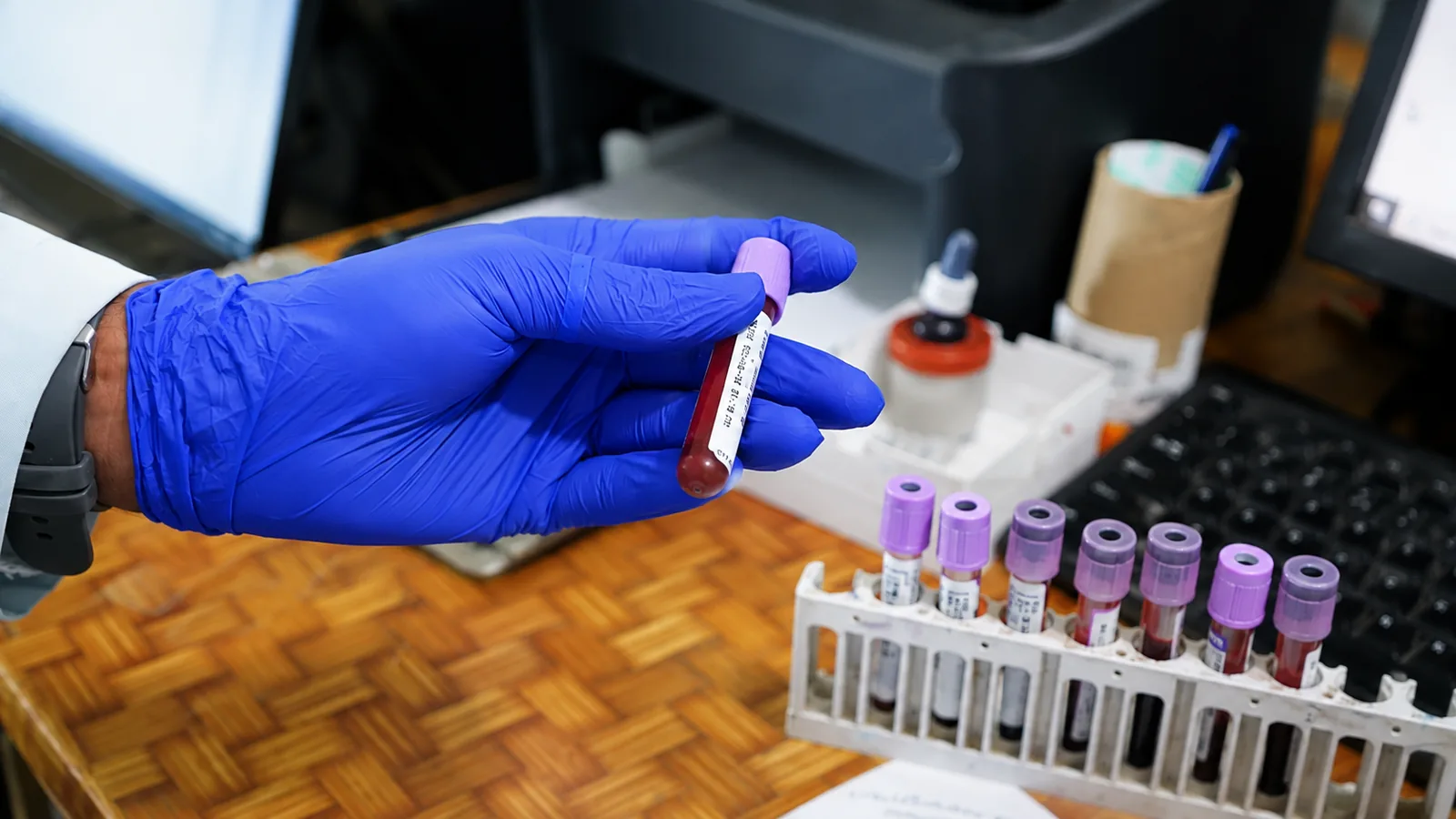
A single blood draw can report on the liver (LFT), the kidneys (KFT with electrolytes), blood sugar control over three months (HbA1c), and the fats that affect heart risk (lipid profile) — each a window onto a different system.
Because the numbers are precise and repeatable, biochemistry is also how a known condition is tracked: a diabetic's HbA1c or a patient's kidney function is followed over time, where the trend matters as much as any single value.
Your doctor may order biochemistry tests for
- A routine or annual health checkup
- Diabetes screening and monitoring (fasting sugar, HbA1c)
- Assessing the liver — jaundice, fatty liver, medication monitoring
- Kidney function and electrolyte balance
- Cholesterol and heart-risk assessment (lipid profile)
- Thyroid, vitamin D and vitamin B12 levels
How to prepare
Fasting matters for some of these tests and not others. When you book, we tell you exactly what yours needs — the common rules are below.
- Lipid profile and fasting sugar: fast for 10–12 hours; water is allowed and encouraged
- HbA1c, liver and kidney function, thyroid: usually no fasting needed
- Take your regular medicines as normal unless your doctor says otherwise
- For home collection, keep the requisition or doctor's note ready for the phlebotomist
What to expect
- 01
Sample collection
A small blood sample is drawn from a vein in the arm, at the centre or at your home.
- 02
In the lab
The serum is separated and run on the analyser, with quality-control samples processed alongside yours.
- 03
Validation
A pathologist reviews the values against reference ranges and flags anything that needs a second look.
- 04
Your report
Results are available online and can be shared with your doctor, usually the same day.
Common questions
Do I need to fast for a biochemistry test?
Only for some. A lipid profile and fasting blood sugar need a 10–12 hour fast; HbA1c, liver, kidney and thyroid tests usually do not. We tell you exactly what your test needs when you book.
Can these tests be done at home?
Yes. Almost all biochemistry tests are done on a blood sample, which a trained phlebotomist can collect at your home — convenient when a fasting sample is needed.
How soon will I get my report?
Most biochemistry reports are ready the same day and are available online to download or share with your doctor.
From the health library
Plain-language guides written by the team here — what the test measures, how to prepare, and what the result means.
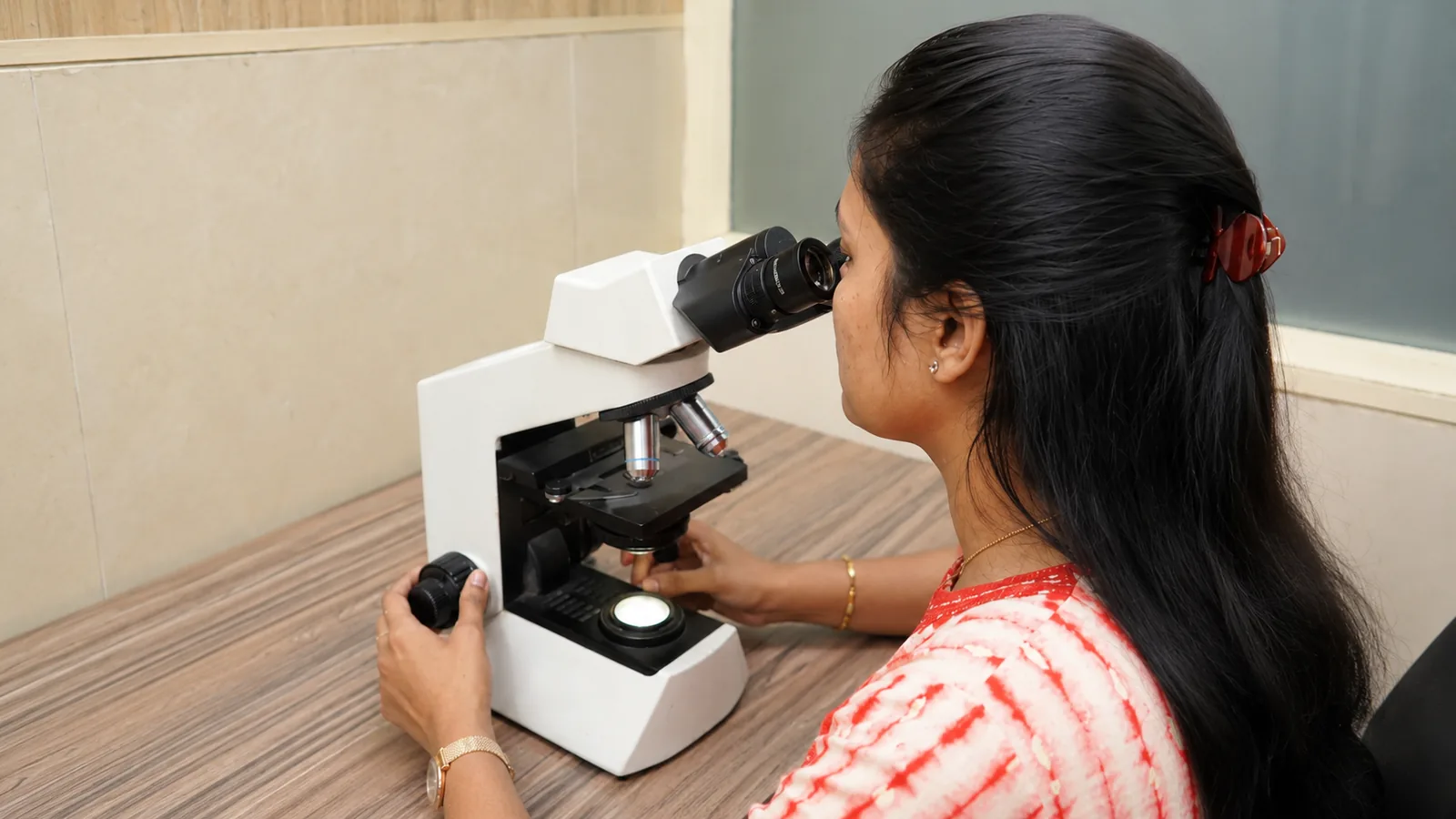 The urine routine test: the cheapest test on your report, and one of the most usefulIt costs almost nothing and picks up kidney disease, diabetes and infection. What each line on the report means.5 min read
 Vitamin B12 deficiency: why it is common in India, and why it is missedCommon, easily corrected, and frequently missed until the damage is done. Who is at risk, and what to look for.6 min read
 CRP and ESR: what inflammatory markers can and cannot tell youBoth say inflammation is present. Neither says where or why — which is the single most useful thing to understand about them.5 min read
Related services
Haematology
Blood counts, anaemia work-up, and clotting studies from a single sample.
Read more →Serology & Immunology
Antibody and antigen tests for infections, immunity and autoimmune conditions.
Read more →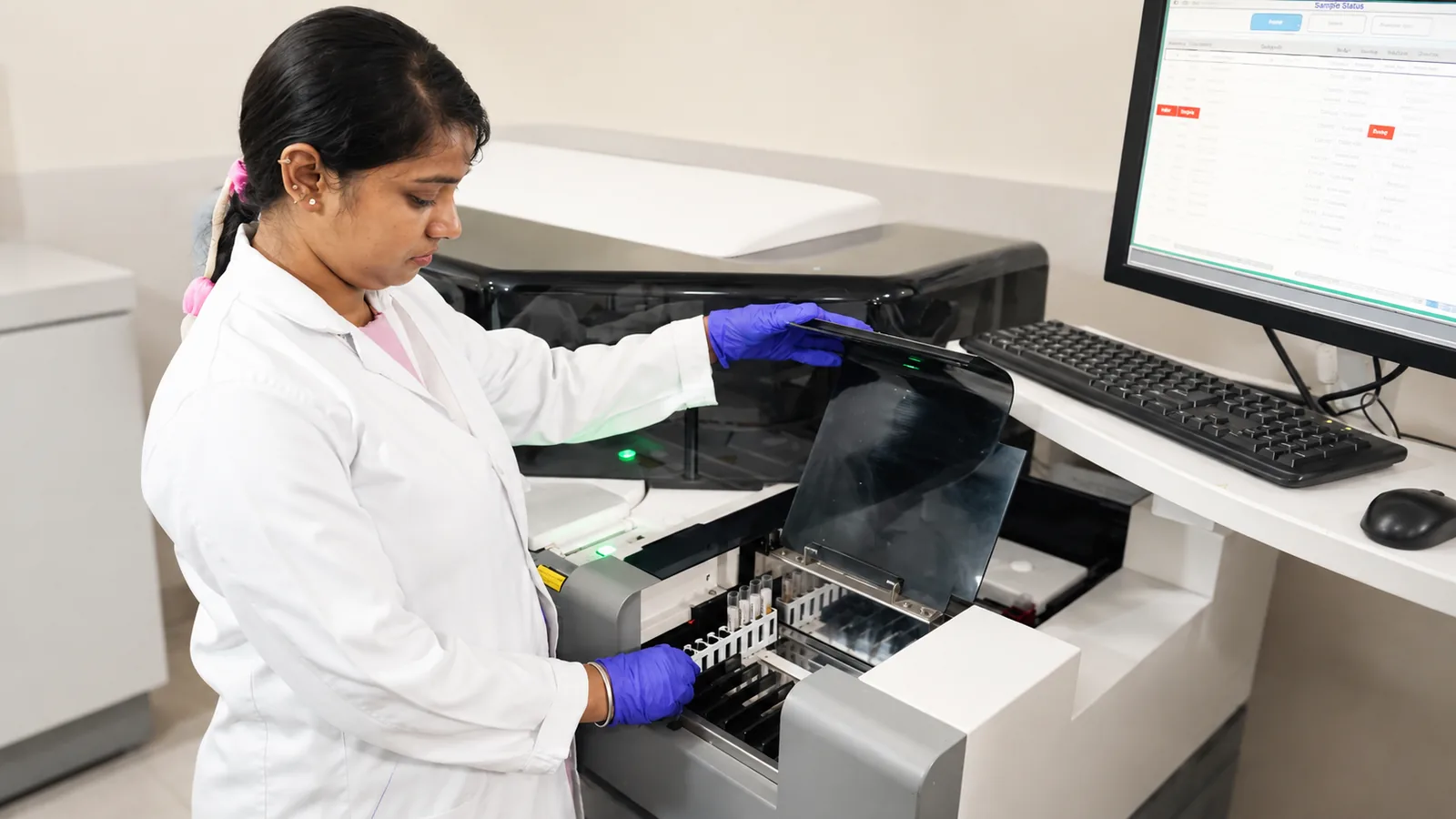
Molecular Diagnostics
Detecting infections and genetic changes at the level of DNA and RNA.
Read more →