
Molecular Diagnostics in Lucknow — PCR & Genetic Testing
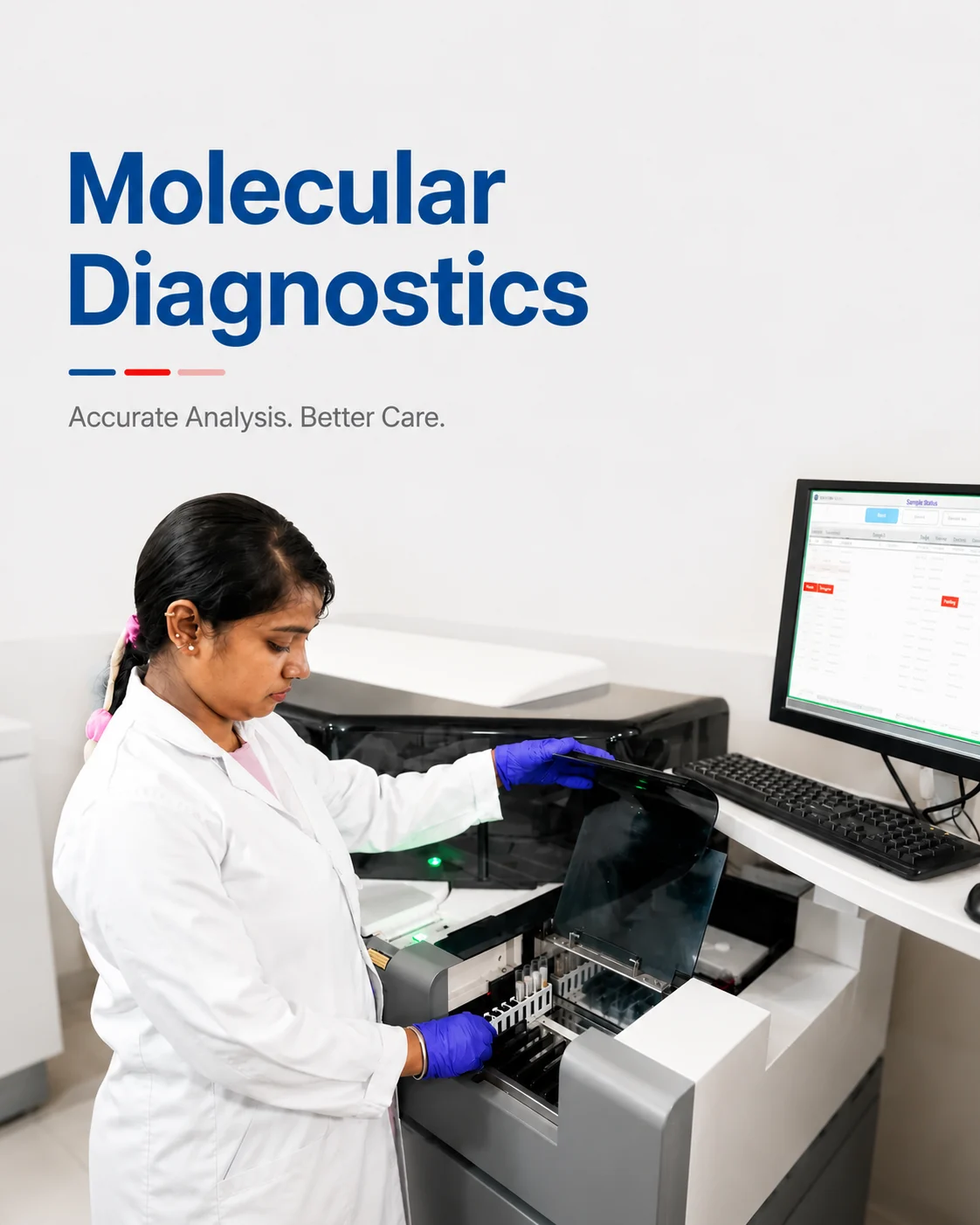
Detecting infections and genetic changes at the level of DNA and RNA.
Molecular diagnostics reads the genetic material itself — the DNA and RNA of a virus, a bacterium, or your own cells. Techniques like PCR amplify tiny amounts of that material until it can be detected, which makes them extraordinarily sensitive and specific.
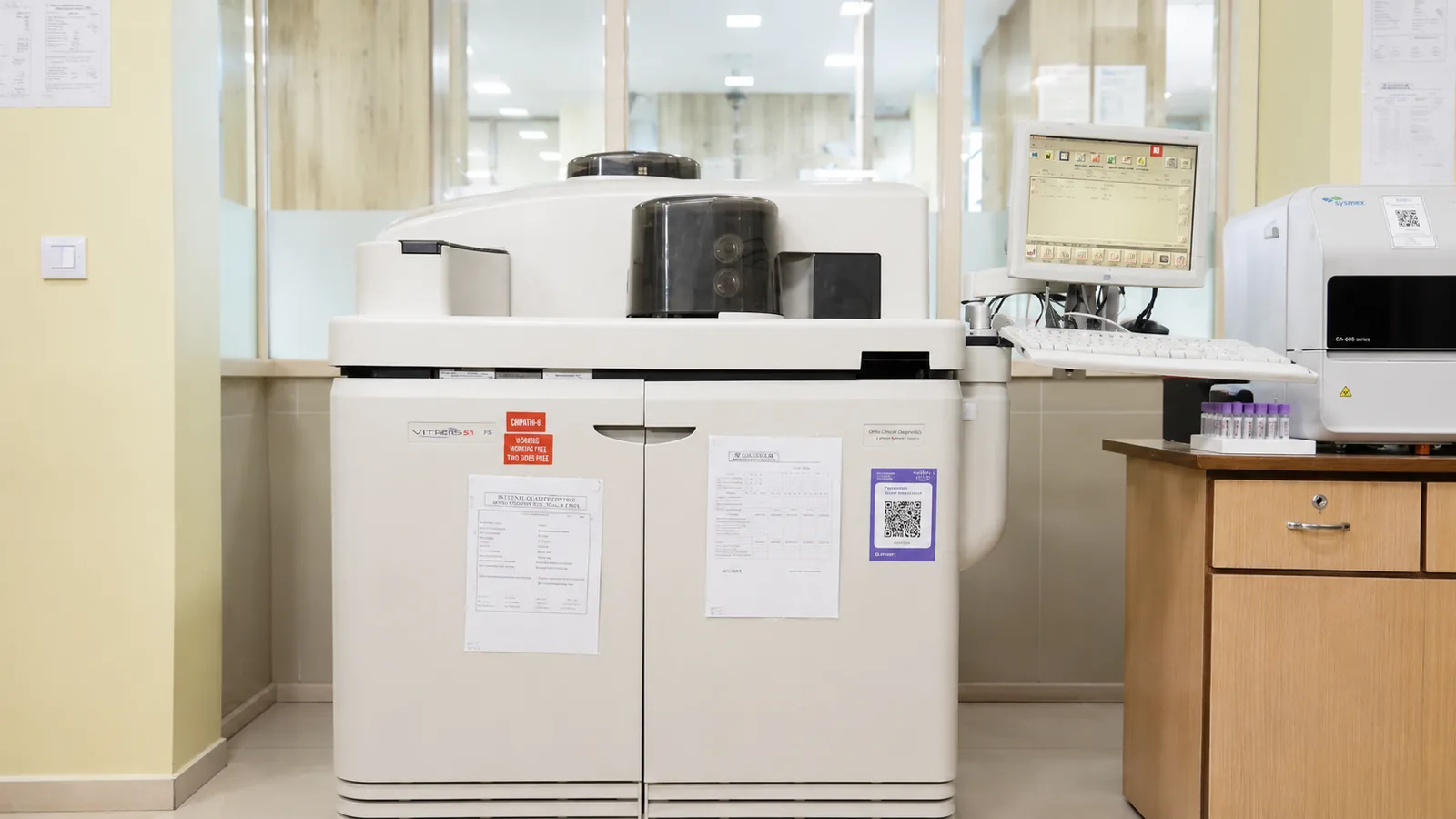
At Charak, molecular assays are run under the strict controls this precision demands, because a test this sensitive must be protected from contamination. It is the technology behind RT-PCR for viral infections and the viral-load testing that guides treatment.
What molecular testing can do
By detecting an organism's genetic signature directly, PCR can confirm an infection earlier and more definitively than antibody tests — often before the body has even mounted a response.
The same amplification, run quantitatively, measures viral load — how much virus is present — which is how conditions like hepatitis and HIV are monitored on treatment. Molecular methods also underpin an expanding range of genetic tests.
Your doctor may order molecular tests for
- Confirming a viral infection early (RT-PCR)
- Measuring viral load in hepatitis B, hepatitis C or HIV on treatment
- Detecting infections that are hard to culture
- Specific genetic or mutation testing your doctor requests
- A definitive answer when antibody tests are inconclusive
How to prepare
Preparation depends entirely on the test and sample type. When your doctor orders a specific molecular assay, we tell you exactly what it needs.
- Most blood-based molecular tests need no fasting
- Swab-based tests (such as a respiratory RT-PCR) are collected by trained staff
- Follow any specific instruction given for your test — these assays are sample-sensitive
- Bring the doctor's requisition specifying the exact assay required
What to expect
- 01
Sample collection
The correct sample — blood, swab or fluid — is collected under conditions that protect it from contamination.
- 02
Extraction
The genetic material (DNA or RNA) is extracted from the sample in a controlled area.
- 03
Amplification & detection
PCR amplifies the target sequence until it can be detected, with rigorous controls run alongside.
- 04
Your report
A qualitative or quantitative result is reported, interpreted by the laboratory, usually within a day or two.
Common questions
What is PCR, in simple terms?
PCR is a technique that copies a tiny piece of an organism's genetic material millions of times until there is enough to detect. That amplification is what makes it so sensitive — it can find an infection from a very small amount.
How is molecular testing different from an antibody test?
An antibody test looks for your body's response to an infection, which takes days to build. A molecular test looks for the organism's own genetic material directly, so it can confirm an infection earlier and more specifically.
What is a viral load test for?
It measures how much virus is present in the blood — used to monitor infections like hepatitis and HIV during treatment, so a doctor can see whether the treatment is working.
From the health library
Plain-language guides written by the team here — what the test measures, how to prepare, and what the result means.
 TB testing in Lucknow: which test confirms it, and why the old ones misleadTB is common, curable and frequently diagnosed late. Which test actually confirms it — and which widely sold test should never be used.6 min read
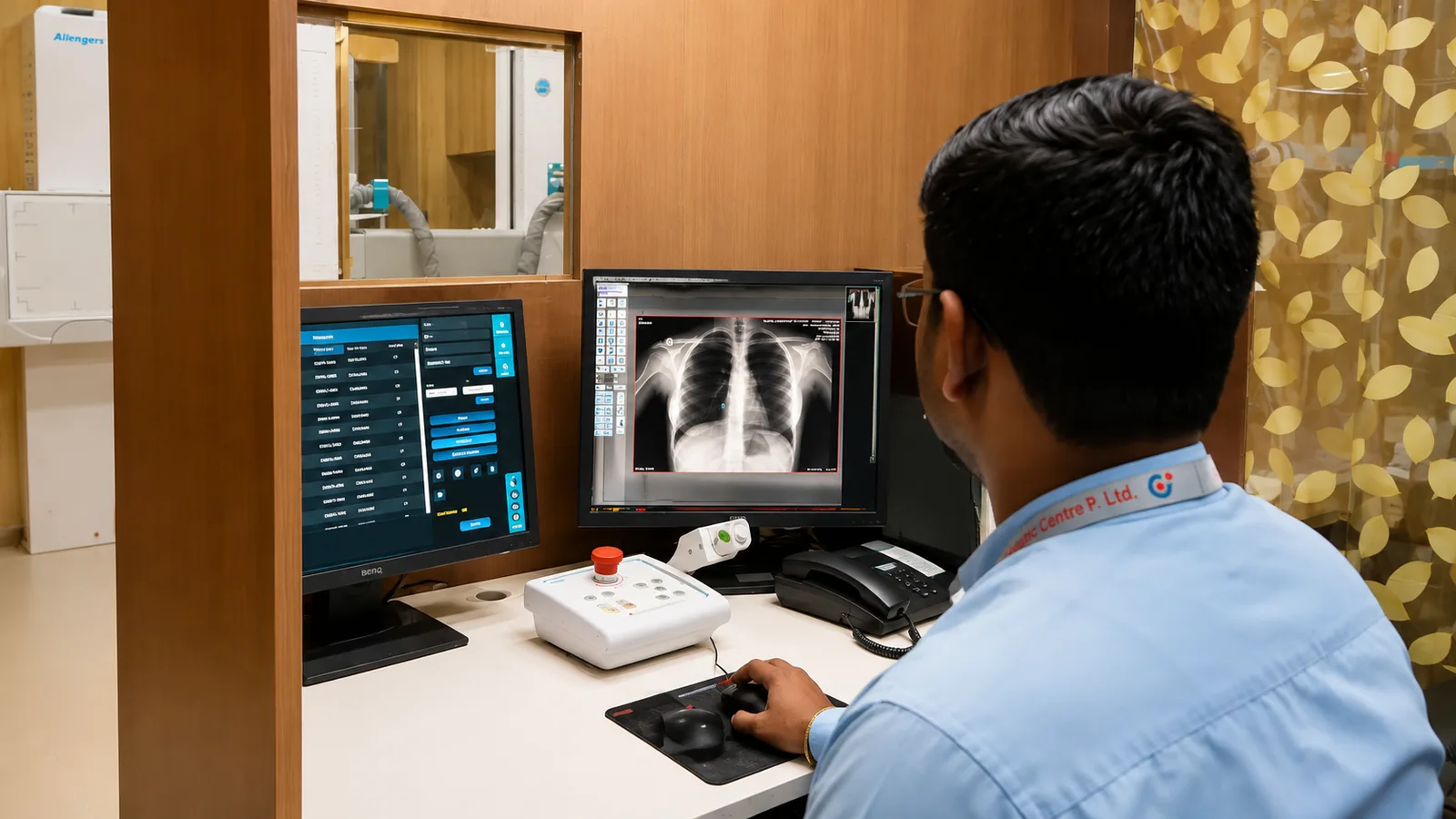 Winter air in Lucknow: the cough that will not go, and which tests helpEvery winter the same cough arrives and stays for weeks. When it is just the air, and when it is worth investigating.5 min read
Related services
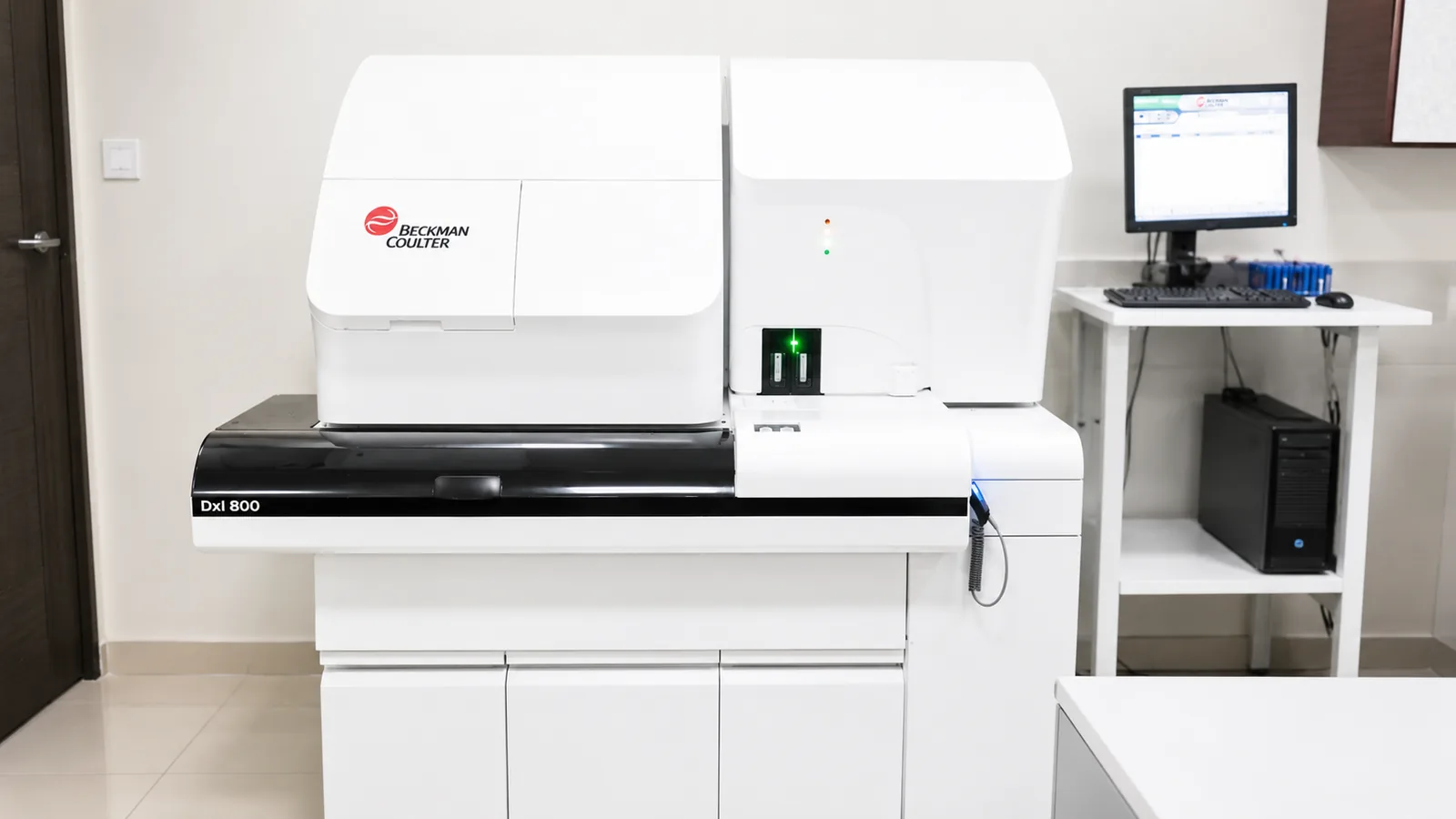
Serology & Immunology
Antibody and antigen tests for infections, immunity and autoimmune conditions.
Read more →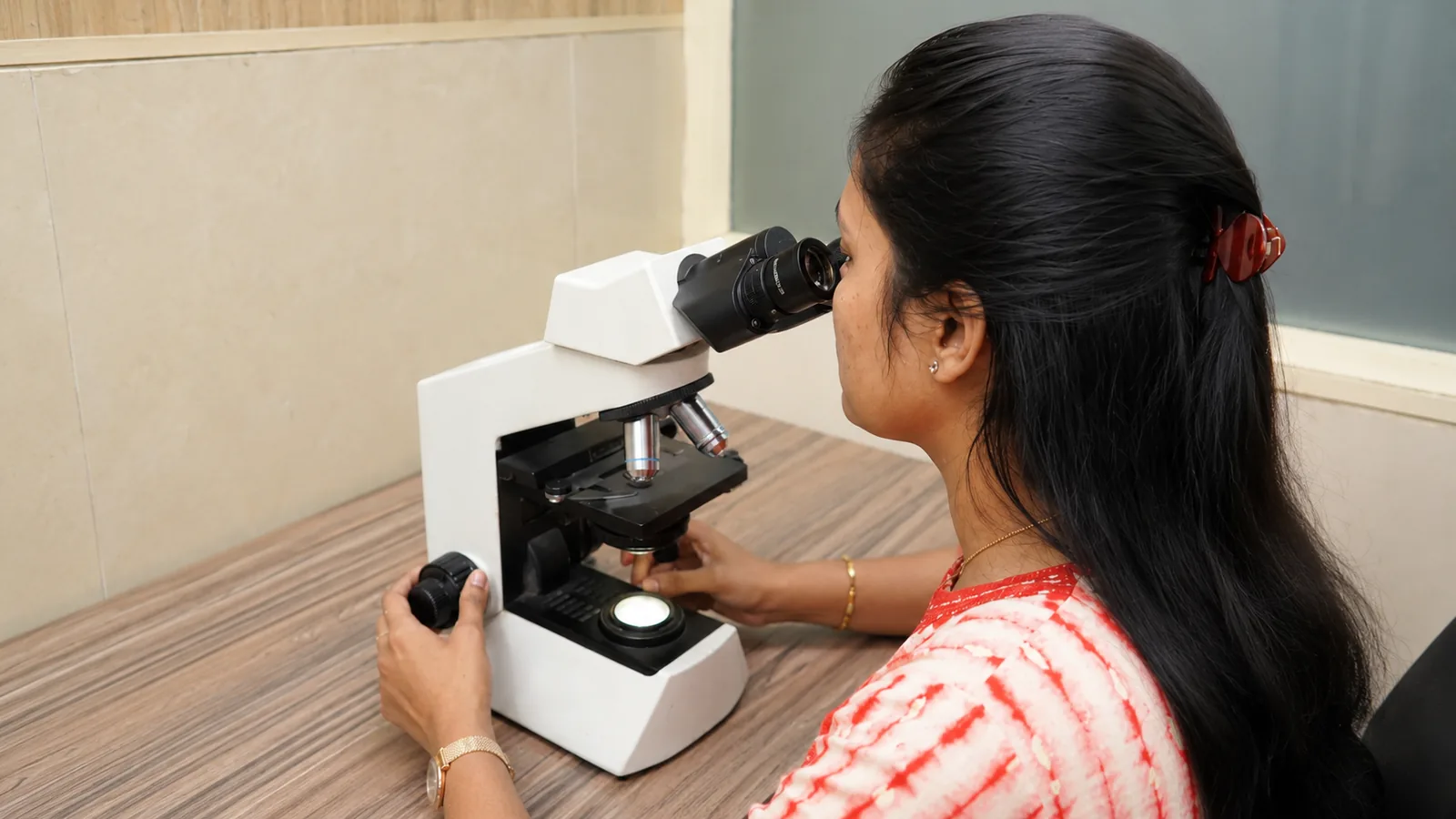
Microbiology
Finding the organism behind an infection — and the antibiotic that will treat it.
Read more →Biochemistry
Blood chemistry for the liver, kidneys, sugar, lipids, thyroid and more.
Read more →