Thyroid Scan in Lucknow — Nuclear Thyroid Imaging
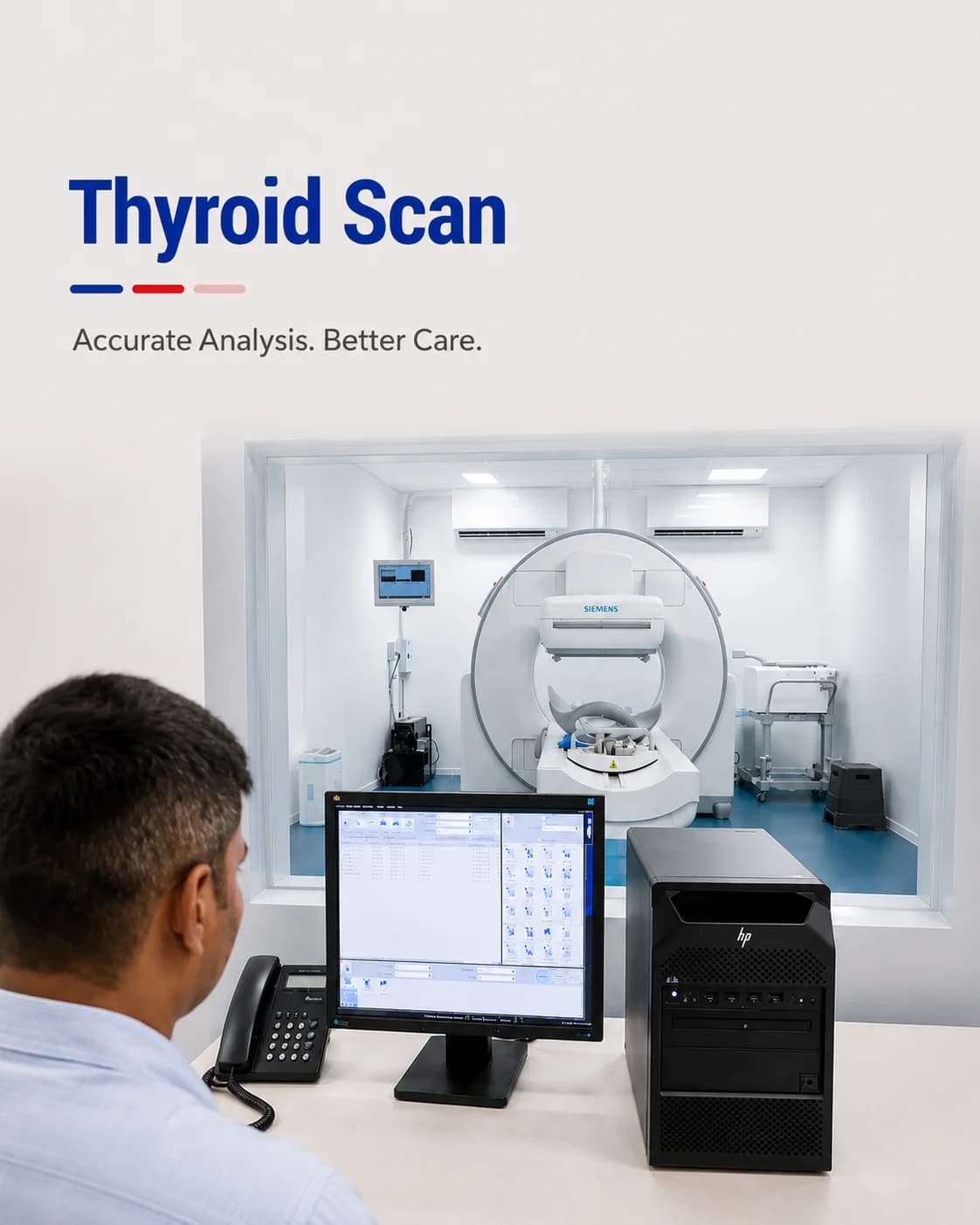
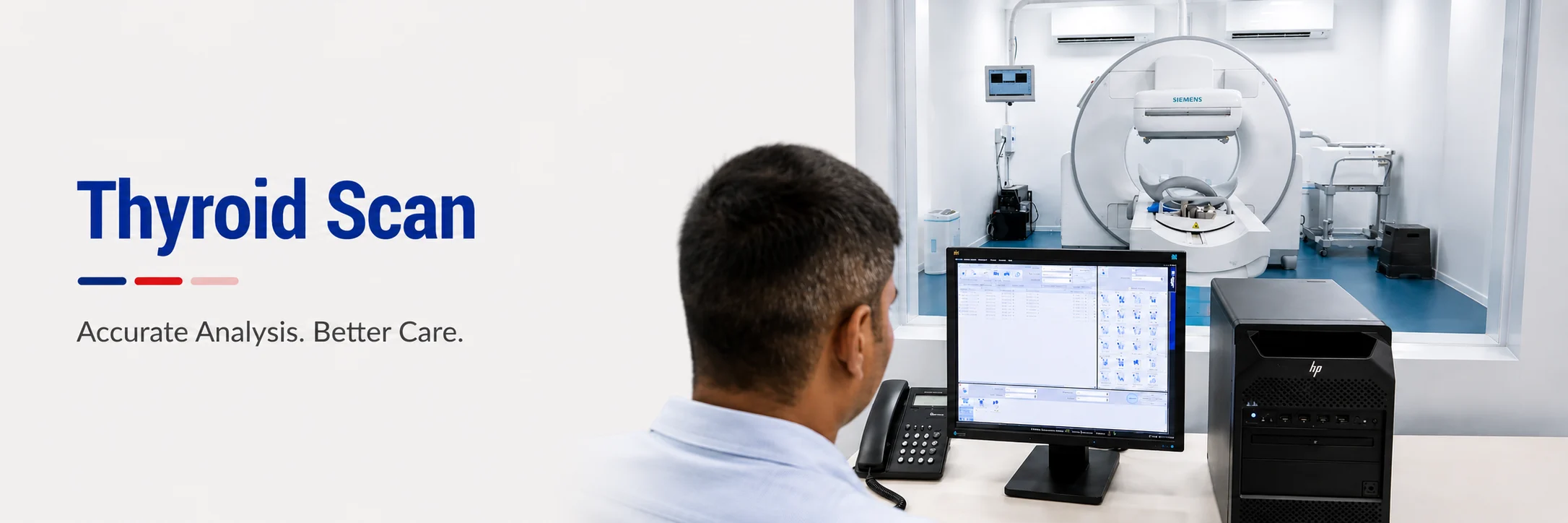
A functional look at the thyroid gland — how active it is, and how it works.
A nuclear thyroid scan uses a small amount of radiotracer to show how active the thyroid gland is, and how evenly it is working. It is not the same as a thyroid blood test or an ultrasound — it adds the missing dimension of function, which is what decides how an overactive thyroid or a nodule should be treated.
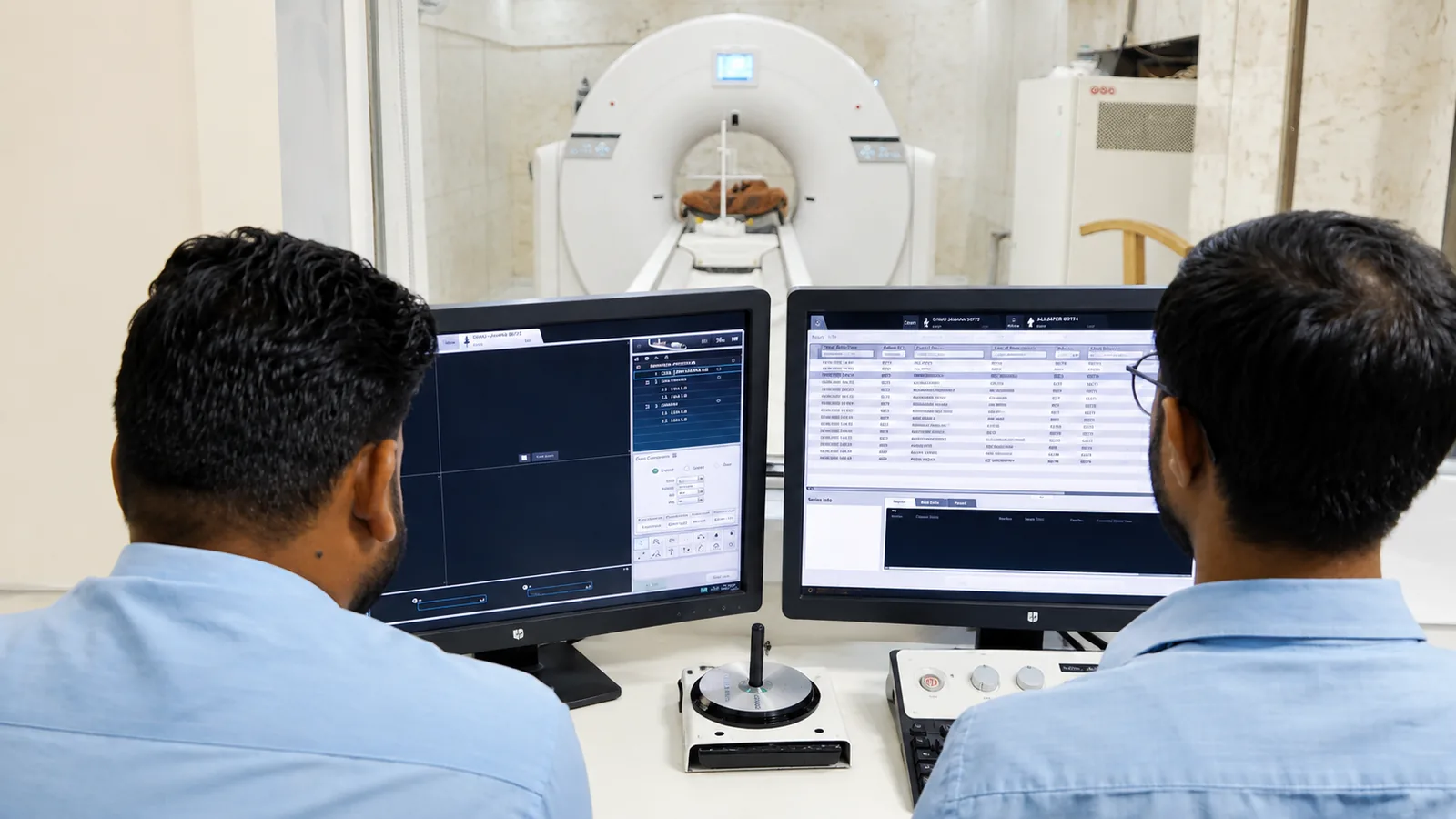
At Charak, thyroid scans and uptake studies are reported by nuclear medicine physicians. The scan tells whether a nodule is 'hot' or 'cold', and whether an overactive gland is overactive all over or in one spot — distinctions that change the treatment plan.
What a thyroid scan adds to a blood test
Thyroid blood tests tell you the levels of thyroid hormone; an ultrasound shows the shape of the gland and any nodules. The nuclear scan shows how much each part of the gland is actually working — which a level and a picture cannot.
That is why it is used to work up an overactive thyroid and to characterise a nodule: a 'hot' nodule that overproduces hormone is managed very differently from a 'cold' one, and only the functional scan tells them apart.
A thyroid scan may be recommended for
- An overactive thyroid (hyperthyroidism) to find the cause
- Characterising a thyroid nodule as 'hot' or 'cold'
- Assessing an enlarged or multinodular goitre
- Planning radioactive iodine treatment
- Investigating unusual thyroid function results
How to prepare
Some medicines and, importantly, recent iodine-containing contrast or iodine-rich foods can interfere with a thyroid scan. Tell us about recent scans with contrast and your medications when you book.
- Tell us about thyroid medication — some may need to be paused beforehand on your doctor's advice
- Avoid iodine-containing contrast scans in the weeks before, where possible
- Follow any dietary iodine instruction we give you
- Tell us if you are, or might be, pregnant, or are breastfeeding — the scan is generally avoided then
What to expect on the day
- 01
Tracer given
The tracer is given as a small injection or, for some uptake studies, swallowed as a capsule or liquid.
- 02
Uptake period
A set time is allowed for the thyroid to take up the tracer — this may mean returning after a few hours.
- 03
Imaging
You lie with your neck gently extended while the gamma camera images the gland for a few minutes.
- 04
Afterwards
You can go home and resume normal activity; the small amount of tracer clears naturally.
Common questions
How is a thyroid scan different from a thyroid blood test?
A blood test measures thyroid hormone levels; the scan shows how the gland is functioning — which parts are active and by how much. They are complementary, and the scan is needed to work up an overactive gland or characterise a nodule.
What does a 'hot' or 'cold' nodule mean?
A 'hot' nodule takes up a lot of tracer and overproduces hormone; a 'cold' nodule takes up little. The distinction matters because they are managed and investigated differently, and only a functional scan can tell them apart.
Why does recent contrast dye affect the scan?
Iodine-containing contrast floods the thyroid with iodine, which competes with the tracer and can make the scan unreliable for a few weeks. That is why we ask about recent contrast scans before booking.
From the health library
Plain-language guides written by the team here — what the test measures, how to prepare, and what the result means.
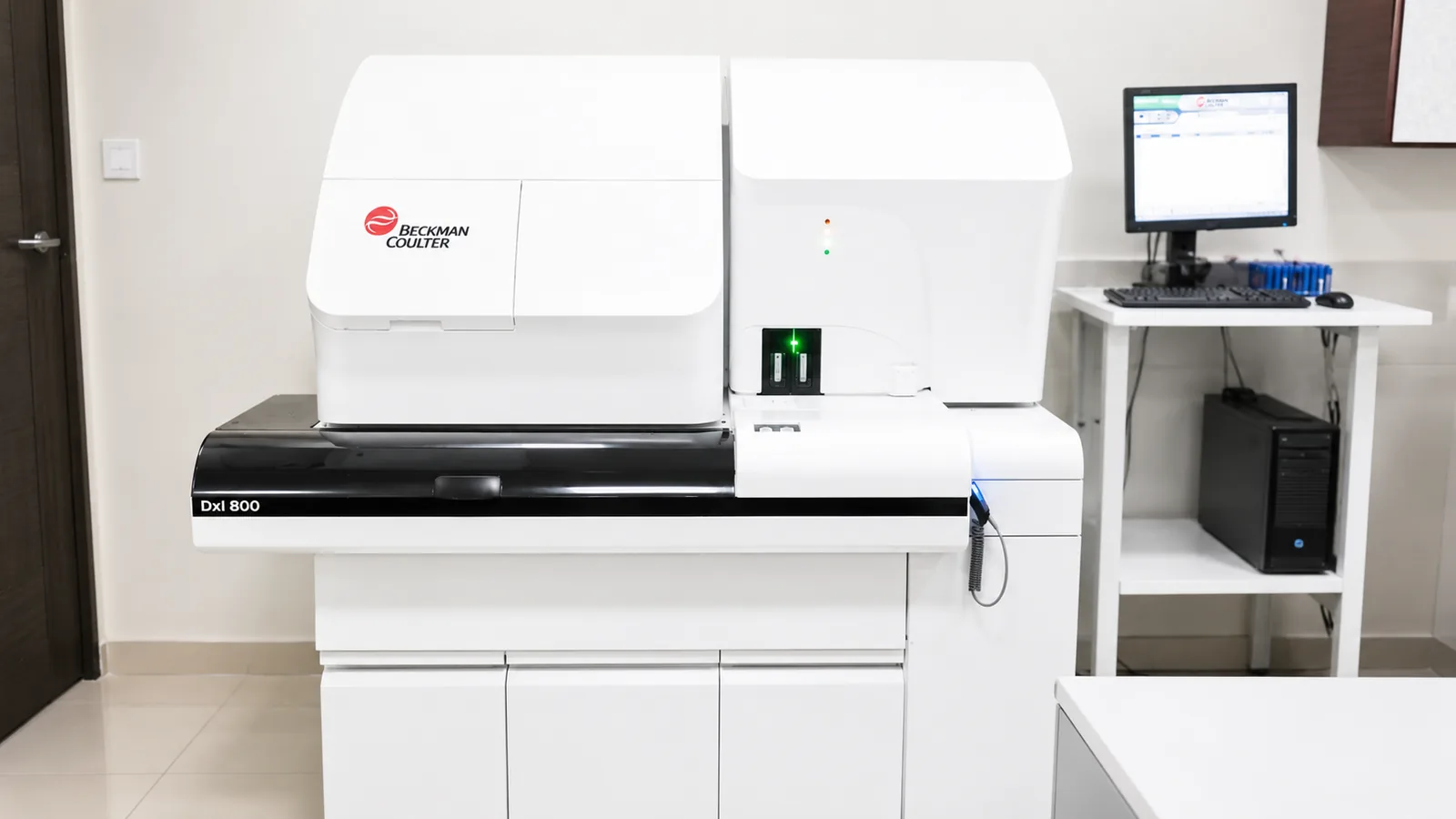 Thyroid test in Lucknow: who should get one, and how to read itThyroid disease is common, easily missed and easily treated. Which test to start with, and what the report is telling you.6 min read
- Thyroid tests explained: T3, T4, TSH — and when a scan is neededTiredness, weight change, hair fall — the thyroid gets blamed for a lot, and sometimes rightly. Here's what the three numbers on a thyroid profile actually measure.6 min read
Related services
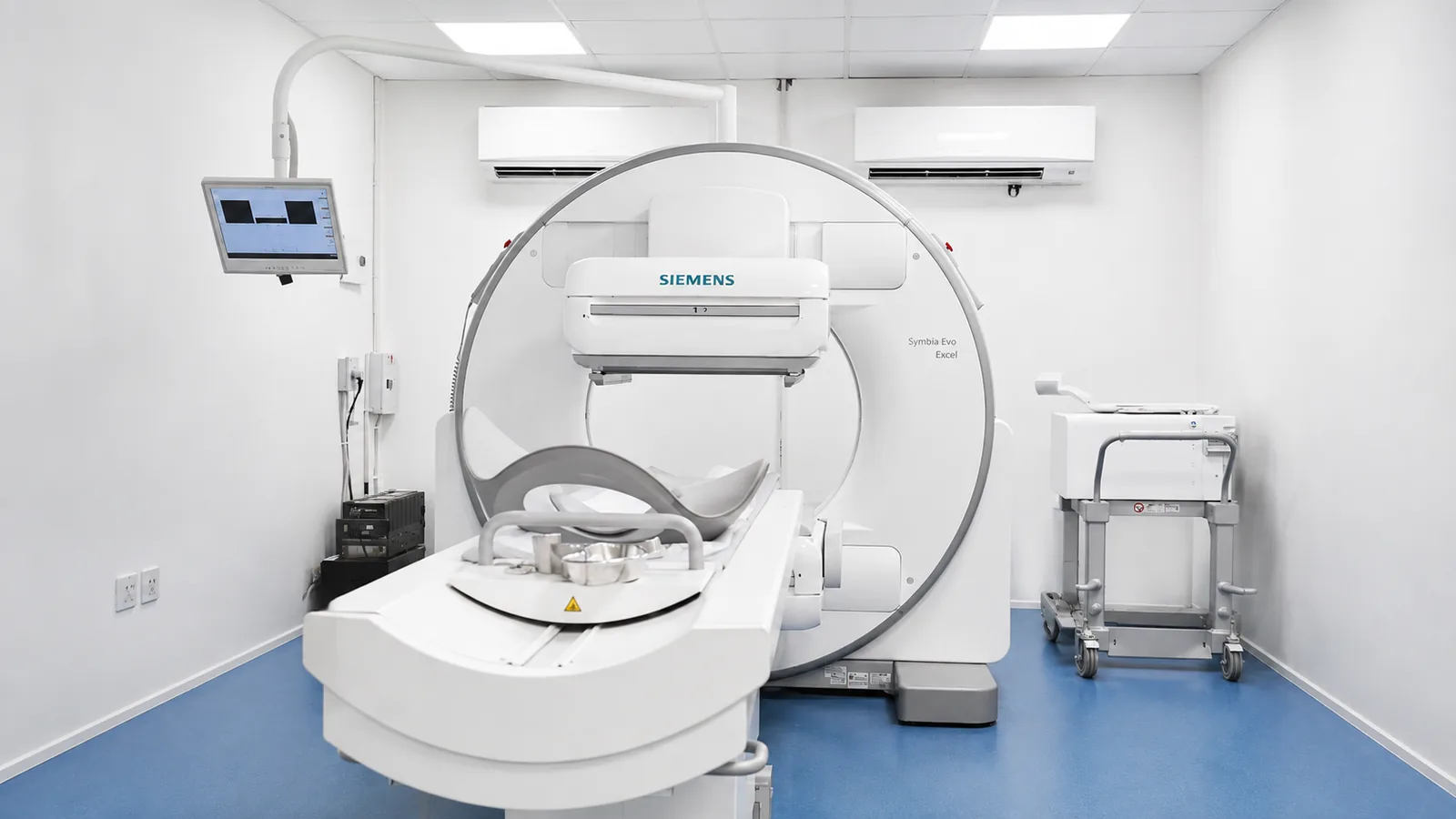
Gamma Camera / SPECT
Functional imaging of the heart, bones, kidneys and thyroid using a gamma camera.
Read more →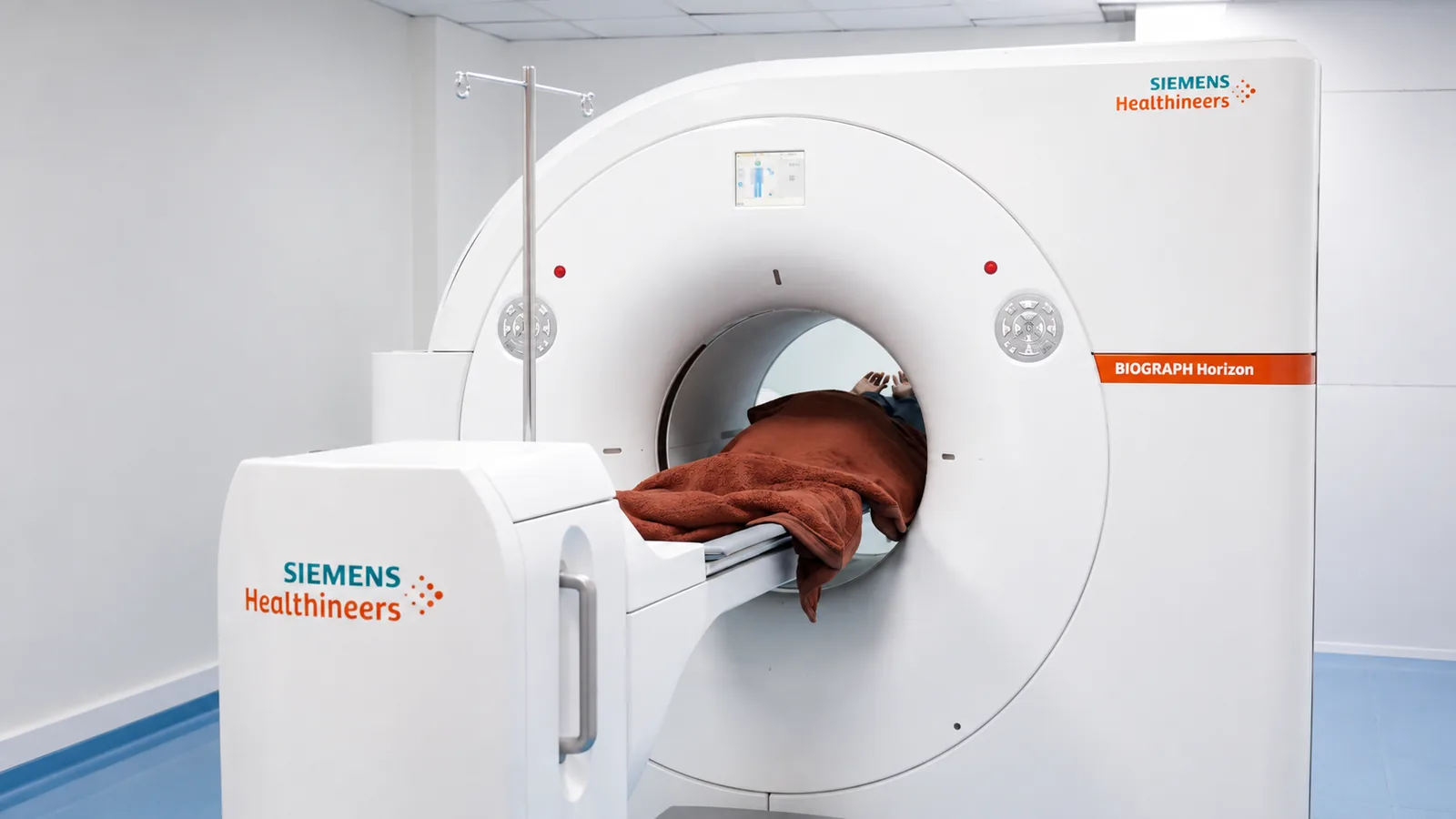
PET-CT Scan
Whole-body imaging that shows how tissue is functioning, not just how it looks.
Read more →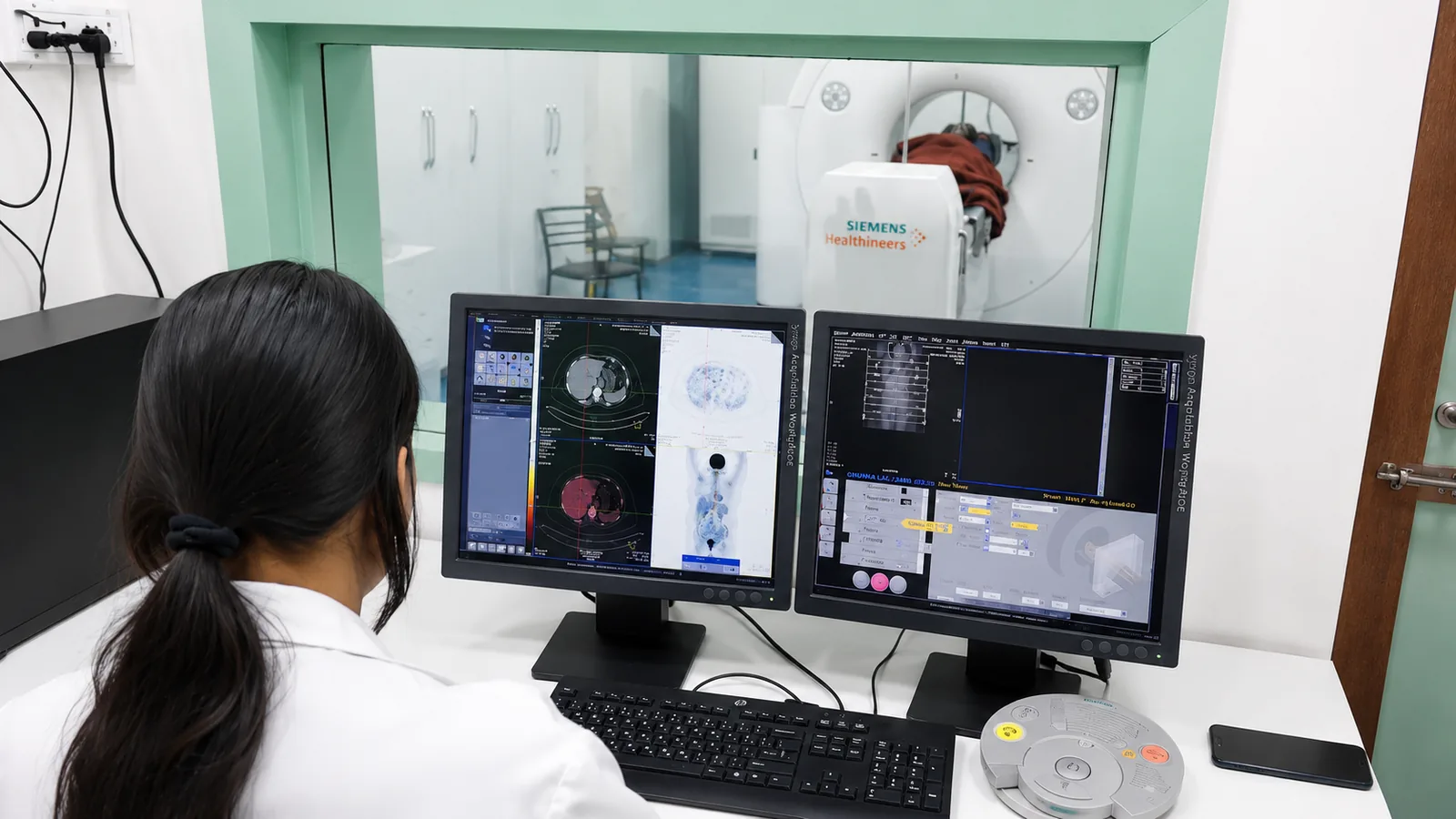
Renal Scan (DTPA / DMSA)
Measuring how well each kidney drains and works — one side against the other.
Read more →