Health Library / Blood tests
Fasting before a blood test: which tests need it, and which don't
· 5 min read
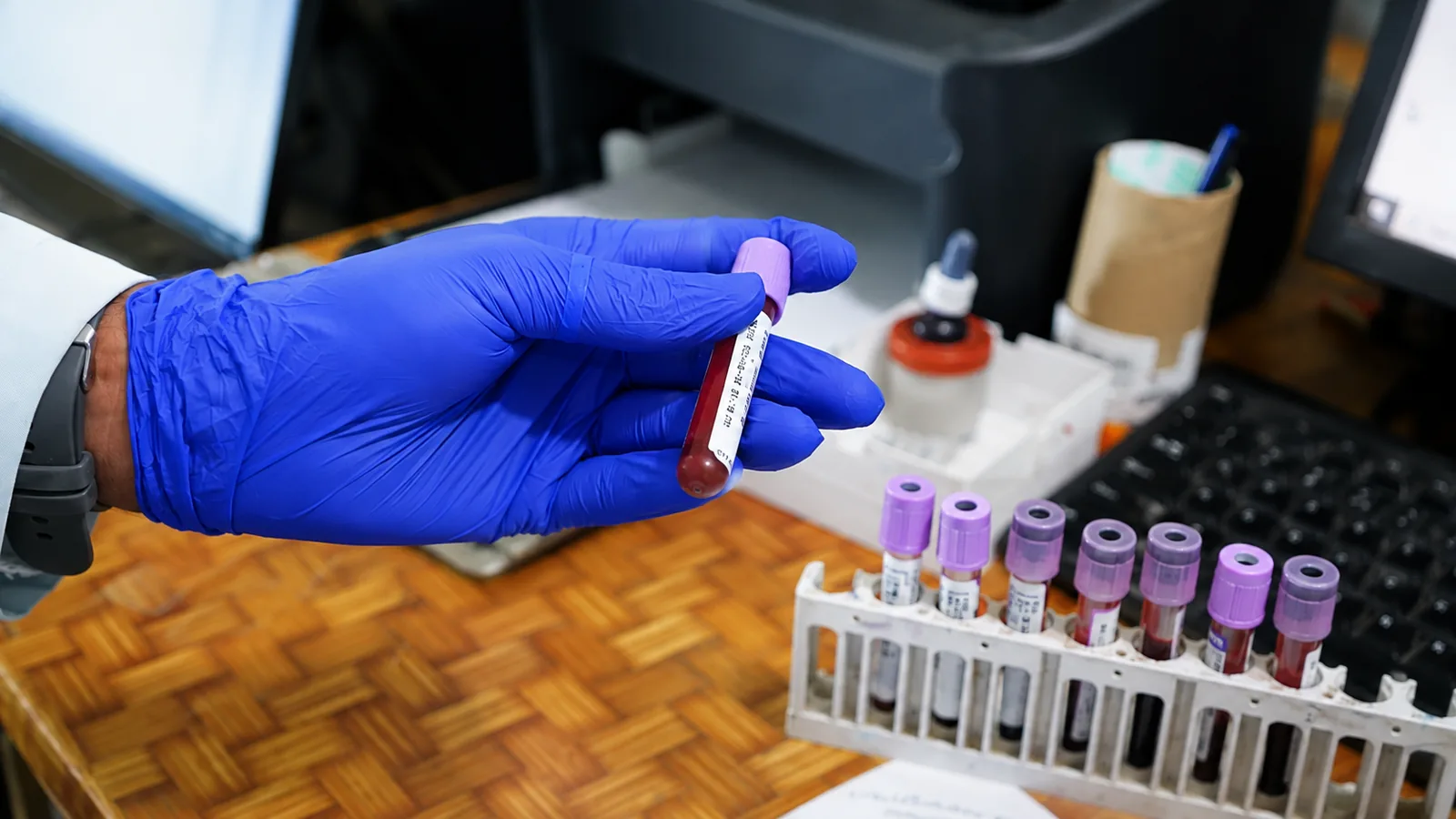
'Come fasting' is probably the most common instruction in laboratory medicine — and the most misunderstood. Fasting exists for one reason: a recent meal genuinely changes some blood values, and a result taken too soon after eating can look abnormal when you are fine, or normal when you are not.
But the rule only applies to the tests it applies to. Knowing which is which saves you hungry mornings and repeat visits.
Tests that need fasting
For these, 10–12 hours without food or caloric drinks gives the reference ranges their meaning:
- Fasting blood sugar (FBS) — the definition of the test is an empty stomach
- Lipid profile — triglycerides in particular rise sharply after a meal
- Some specialised metabolic and abdominal-ultrasound preparations (we tell you when you book)
Tests that do NOT need fasting
These are unaffected by a normal meal, so you can eat and come:
- HbA1c — it reflects three months of sugar control, so breakfast cannot move it
- Complete blood count (CBC) and ESR
- Thyroid profile (T3, T4, TSH)
- Liver and kidney function tests, in most routine situations
- Vitamin B12 and vitamin D
Water, tea, and your medicines
Plain water is allowed — and encouraged — during a fast; being hydrated actually makes the blood draw easier. Tea, coffee, milk and juice all break a fast, including 'just one sugarless tea'.
Do not stop a prescribed medicine for a blood test on your own. Most morning medicines can be taken with water as usual; where a medicine genuinely interacts with a test, your doctor will tell you specifically. The dangerous version of this mistake is skipping diabetes or blood-pressure medication for a test that never required it.
The practical trick: fast at home, not in traffic
The whole discomfort of fasting is the travel and the wait while hungry. A home collection removes both: a phlebotomist arrives at your chosen morning slot, takes the sample, and you have breakfast at your own table five minutes later. For fasting tests it is the single most useful convenience we offer.
This article is general health information, not a diagnosis or a treatment plan. Test results are read alongside your symptoms and history — please discuss yours with your doctor. See our disclaimer.