Health Library / Blood tests
Understanding your CBC report: what the numbers actually mean
· 6 min read
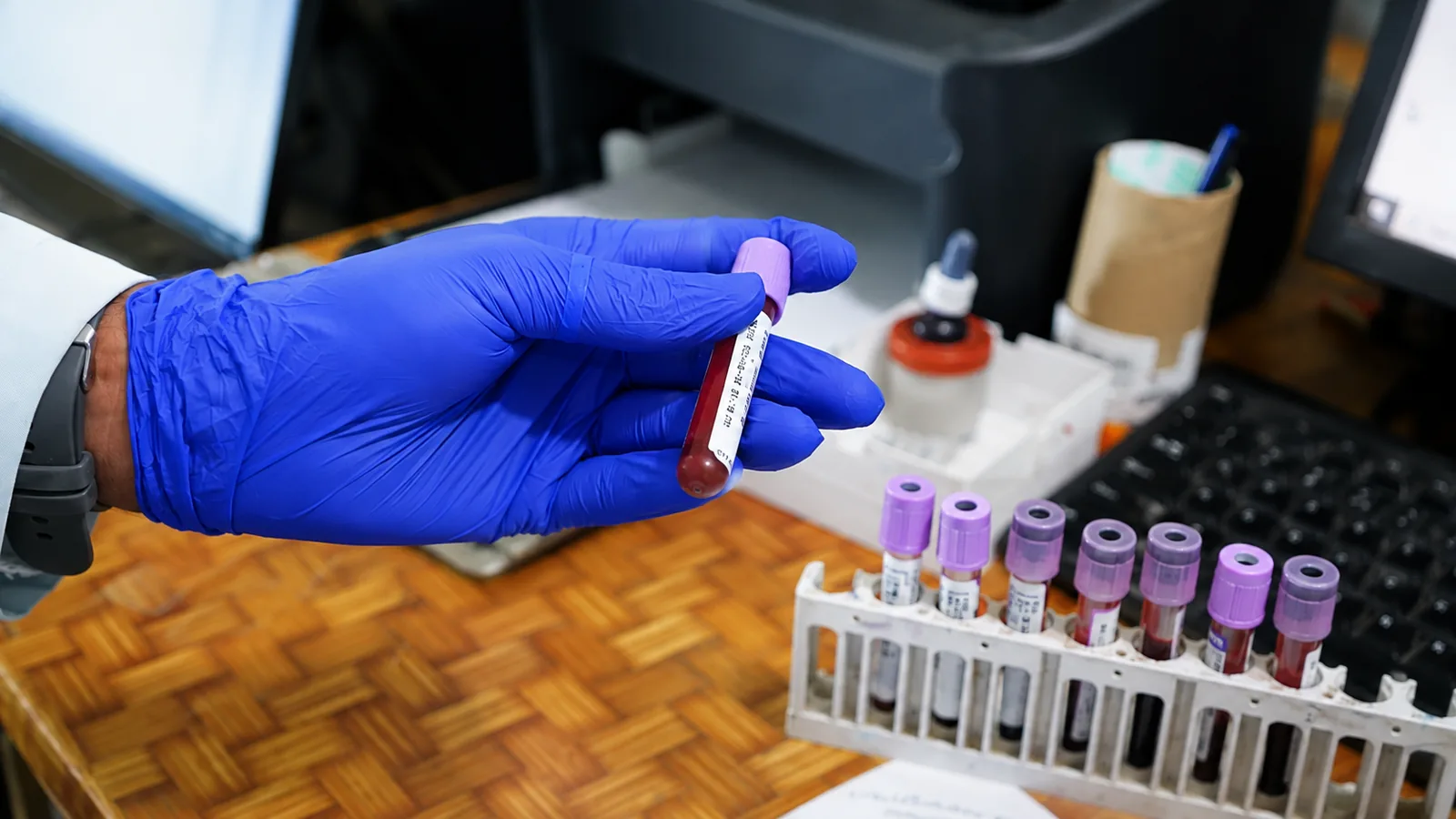
A Complete Blood Count measures the three families of cells your blood is made of: red cells that carry oxygen, white cells that fight infection, and platelets that help you clot. Because those three systems touch almost every illness, the CBC is usually the first test a doctor orders — and the first report patients try to read on their own.
The good news is that the structure is simple once you know what each line is doing. The essential caution is equally simple: a single value outside the reference range is common and often meaningless in isolation. The pattern, the degree, and your symptoms are what your doctor reads — not one number.
Haemoglobin and the red cell numbers
Haemoglobin (Hb) is the oxygen-carrying protein in red cells, and it is the headline number for anaemia. Low haemoglobin can mean iron deficiency, blood loss, a vitamin B12 or folate problem, or a chronic condition — each with a different fix, which is why the cause matters more than the number.
Alongside it sit the red cell indices — MCV, MCH, MCHC — which describe the size and haemoglobin content of the average red cell. They are the clue trail: small pale cells point one way (commonly iron deficiency), large cells another (commonly B12/folate). This is how one inexpensive test narrows a long list of causes.
The white cell count — and why the 'differential' matters
The total white cell count (TLC/WBC) rises with many infections and inflammatory states, and can fall with some viral infections and certain medicines. On its own it says 'something is happening', not what.
The differential — neutrophils, lymphocytes, eosinophils, monocytes, basophils — is where the information lives. A neutrophil-dominant rise fits a bacterial picture; lymphocytes often dominate in viral illness; a raised eosinophil count points towards allergy or parasitic causes. Your doctor reads the mix, not the total.
Platelets
Platelets plug damaged blood vessels — the first responders of clotting. Counts matter at the extremes: low counts (seen in dengue, some infections, and certain medicines) can mean easier bruising or bleeding, and very low counts need prompt attention. Mildly raised counts frequently accompany infection or inflammation and often settle on their own.
Why your lab report sometimes adds a 'peripheral smear'
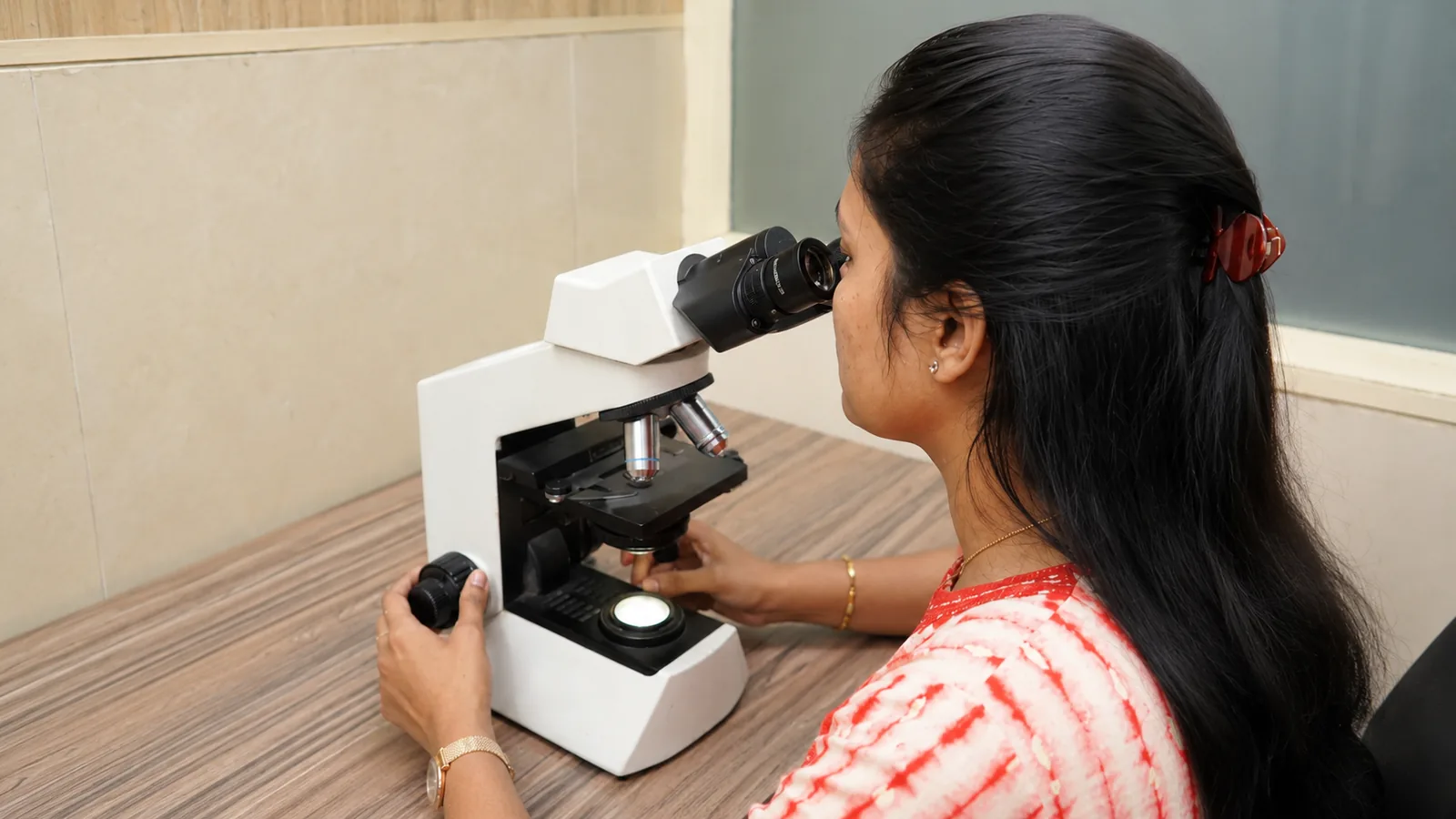
Automated counters are fast and precise, but when they flag something unusual, a pathologist examines a stained drop of blood under the microscope. A trained eye can see what a counter can only suspect — the shape of the red cells, immature white cells, clumped platelets. If your report mentions a smear, it means a person looked, which is a feature, not a worry in itself.
This article is general health information, not a diagnosis or a treatment plan. Test results are read alongside your symptoms and history — please discuss yours with your doctor. See our disclaimer.