Health Library / Preventive health
What NABL accreditation actually means when choosing a lab in Lucknow
· 5 min read · Lucknow
Most people choose a laboratory on price, distance, or whoever the doctor's clinic recommends. Accreditation rarely comes into it, partly because the word appears on so many signboards that it has stopped meaning much.
It does mean something specific, and it is worth two minutes of checking — because the same blood, split and sent to two laboratories, can genuinely come back with two different answers.
What NABL requires
NABL is India's National Accreditation Board for Testing and Calibration Laboratories. For medical laboratories it accredits against ISO 15189, an international standard specifically for medical testing quality and competence.
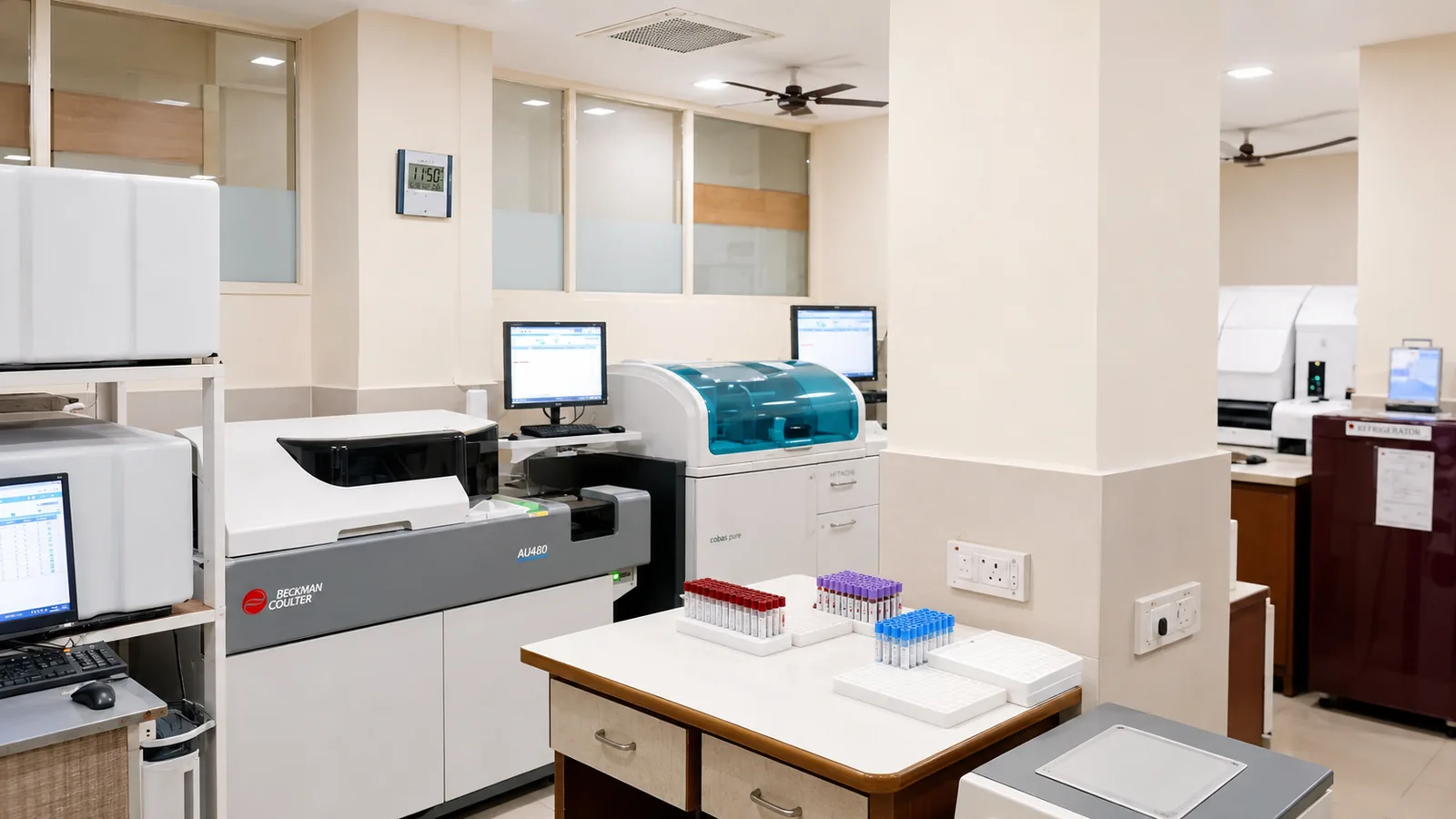
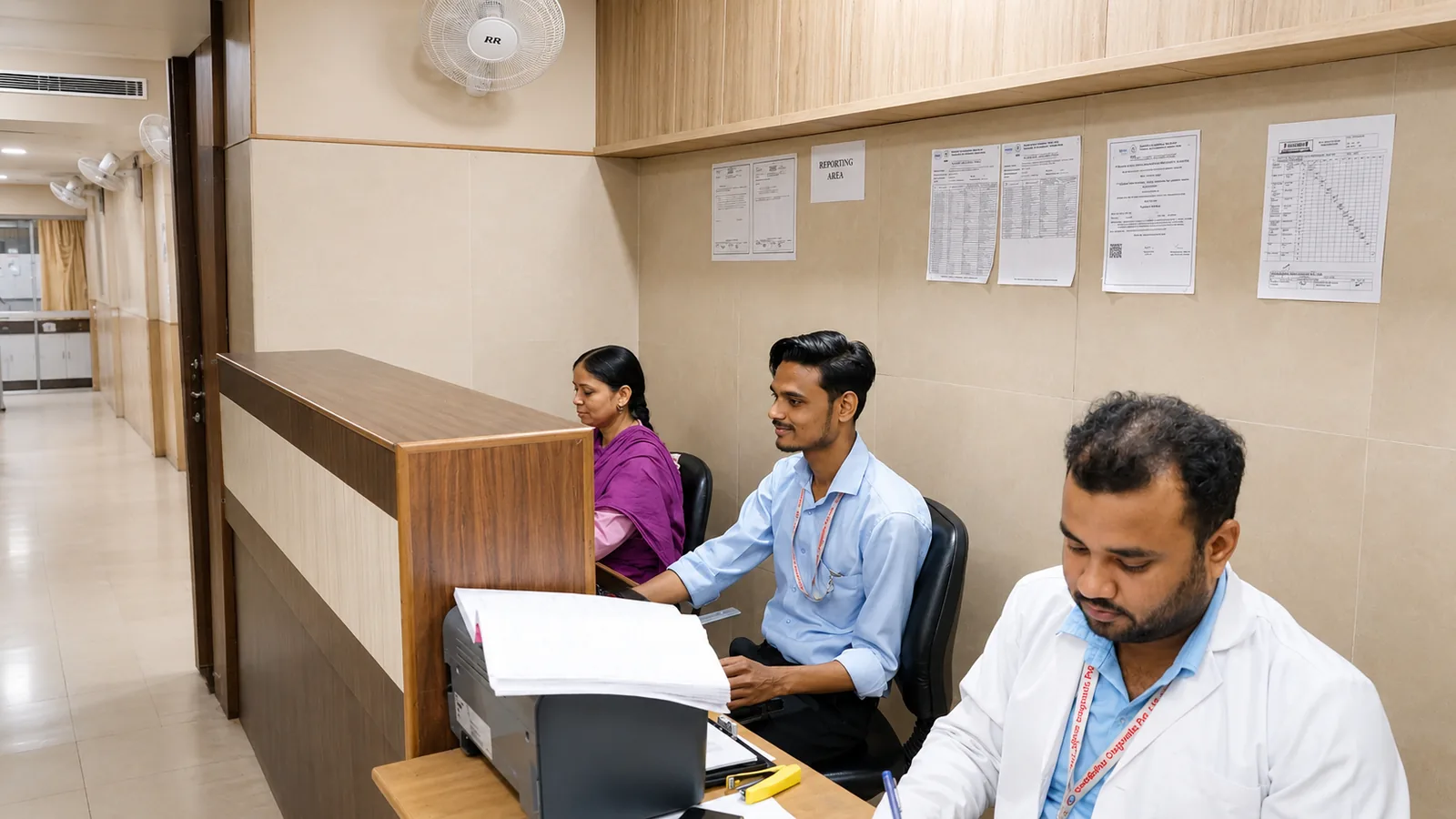
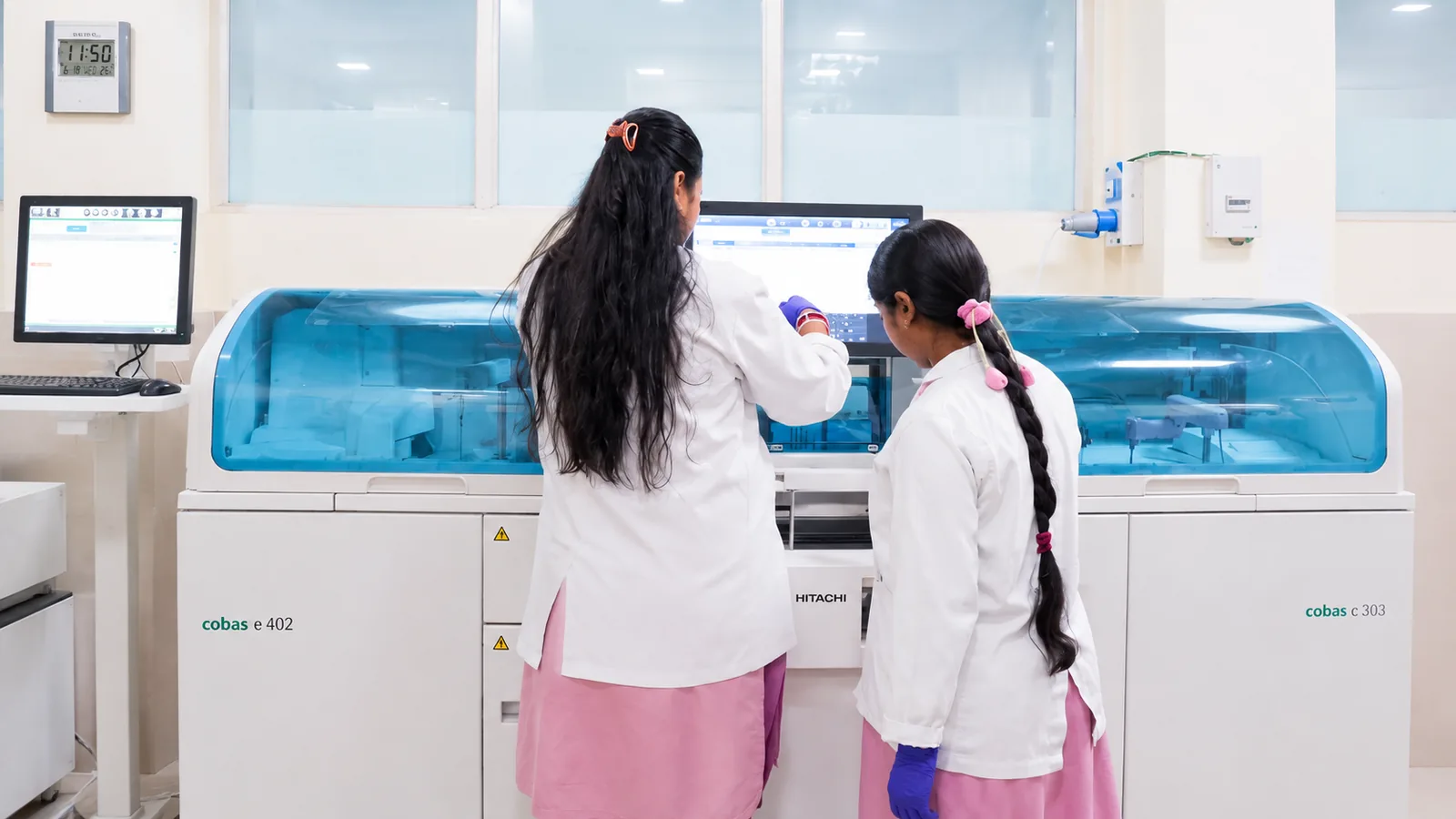
It is not a certificate bought once. It requires documented procedures for every test, instruments calibrated and maintained on schedule, internal quality control run daily against known samples, participation in external quality assessment where the lab is regularly sent blind samples and scored against other laboratories nationally, defined staff competence, and traceability from the sample's arrival to the signed report. Accreditation is granted per scope — specific disciplines and tests — and is reassessed periodically.
- Documented procedure for every accredited test
- Daily internal quality control, and calibrated instruments
- External quality assessment — blind samples, scored nationally
- Defined competence for the staff performing each test
- Full traceability from sample receipt to signed report
How to check a claim
Ask for the certificate number and the scope. A genuine accreditation has both: a certificate identifier, and a defined list of disciplines it covers. NABL publishes a public directory of accredited laboratories that can be searched, so a claim is verifiable rather than something you have to take on trust.
The scope matters as much as the certificate. A laboratory accredited for biochemistry is not thereby accredited for histopathology. If a specific test matters to you, ask whether that discipline is within the accredited scope.
Charak's laboratory is NABL-accredited against ISO 15189:2022 under certificate MC-2491 for medical testing. Separately, the centre holds a QCI/NABH recommendation for CGHS empanelment — a different thing from accreditation, and worth distinguishing, because empanelment decisions rest with CGHS.
Why the same test gives different answers
Different analysers and different reagent systems have genuinely different reference ranges, which is why a result should always be read against the range printed on that laboratory's own report rather than one remembered from elsewhere.
For anything you are tracking over time — HbA1c, TSH, creatinine, tumour markers in someone under follow-up — consistency is worth more than convenience. Using the same accredited laboratory each time is what makes the trend real rather than an artefact of switching machines.
This article is general health information, not a diagnosis or a treatment plan. Test results are read alongside your symptoms and history — please discuss yours with your doctor. See our disclaimer.