Health Library / Blood tests
Uric acid and joint pain in Lucknow: when it is gout and when it is not
· 5 min read · Lucknow
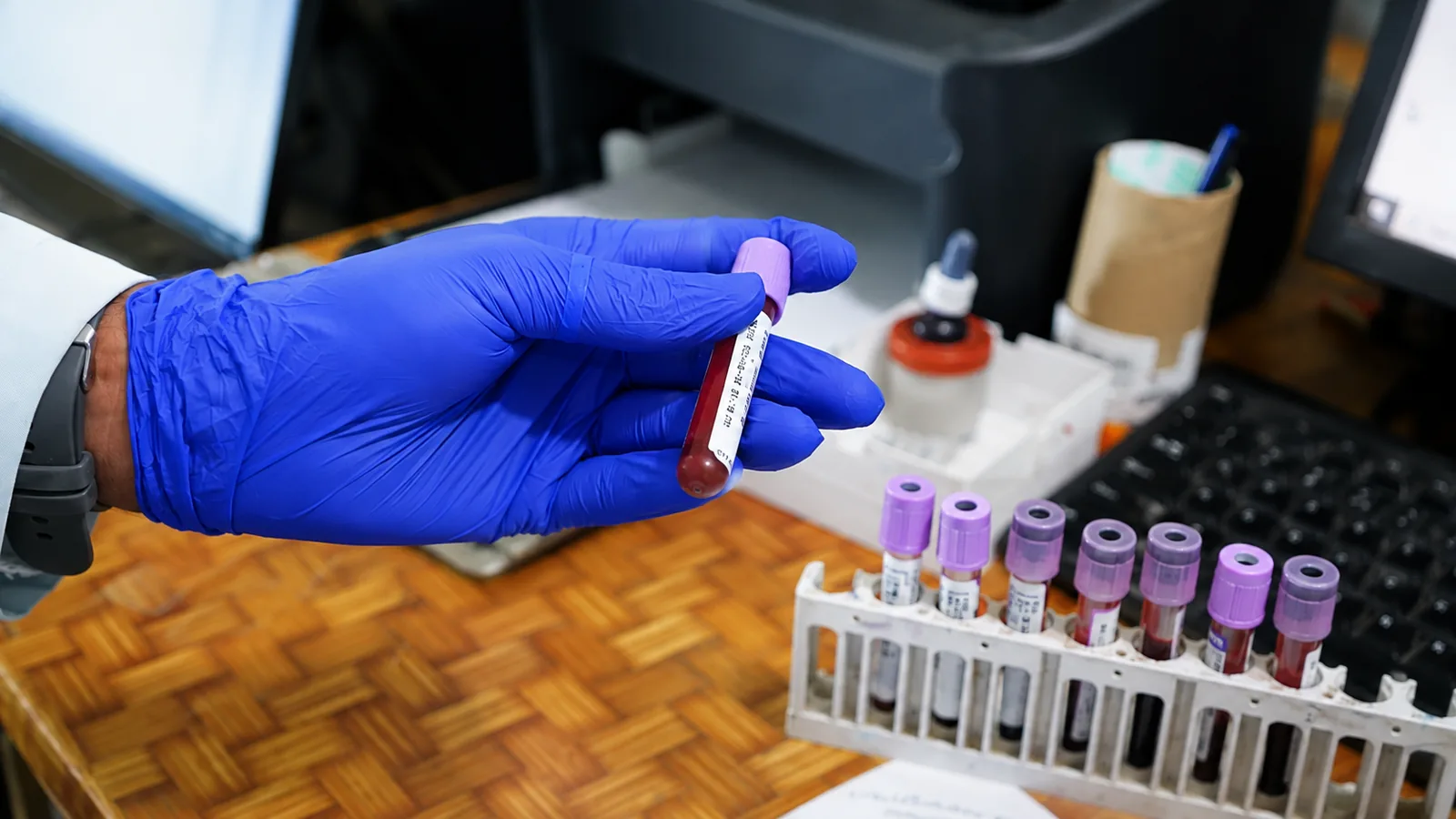
Uric acid is on most routine health packages, and a raised value sends a lot of people down a road of dietary restriction they may not need. Raised uric acid without symptoms is common — and most people who have it never develop gout.
Equally, gout is frequently missed, because the attack settles on its own and gets put down to a sprain.
What gout actually looks like
A classic gout attack is abrupt and severe, often starting overnight, most typically at the base of the big toe though the ankle, knee and midfoot are common too. The joint becomes red, hot, swollen, and so tender that even the weight of a bedsheet is intolerable. It usually peaks within a day and settles over a week or two even untreated.
That self-limiting course is exactly why it gets missed — by the time an appointment happens, it has gone.
Why the blood level can mislead
Uric acid can be normal during an acute attack, which catches people out: a normal level in a red hot toe does not exclude gout. Conversely, a high level in someone with no joint symptoms is asymptomatic hyperuricaemia, which is usually monitored rather than treated with medication.
The definitive test is finding urate crystals in fluid aspirated from the joint. That is not always practical, so diagnosis is often clinical, supported by the pattern, the level, and by excluding the alternatives.
Those alternatives matter, because a hot swollen joint has one urgent possibility. Septic arthritis — infection in a joint — can look similar and is a medical emergency. A hot, swollen joint with fever needs same-day assessment, not a uric acid test and a wait.
- A hot, swollen joint with fever — seek care the same day
- First attack, to establish what it actually is
- Recurrent attacks, or tophi — visible urate deposits
- Kidney stones, or known kidney disease
- Before starting or while on urate-lowering treatment
What else to check
Gout keeps company with the metabolic conditions, so a diagnosis is a reasonable prompt to check blood pressure, kidney function, sugar and lipids. Kidney function matters doubly here, because it affects both uric acid handling and the choice of medication.
On diet: the classic advice about red meat, organ meats, shellfish and alcohol — beer particularly — remains valid, but the effect of diet alone is more modest than its reputation. Sugary drinks and fructose contribute more than most people expect. Where attacks are recurrent, urate-lowering medication does considerably more than dietary restriction, and that is a conversation to have rather than a regime to attempt alone.
This article is general health information, not a diagnosis or a treatment plan. Test results are read alongside your symptoms and history — please discuss yours with your doctor. See our disclaimer.